
Planning a trip to Tasmania can feel surprisingly difficult at first.
The island looks small on a map, yet once you begin researching, the list of places you want to visit grows quickly: Hobart, Bruny Island, Port Arthur, Wineglass Bay, the Bay of Fires, Launceston, Cradle Mountain, Stanley, Strahan, the West Coast, Lake St Clair and dozens of places in between.
So, how do you plan a trip to Tasmania without spending your holiday racing from one attraction to another?
The key is to stop thinking of Tasmania as somewhere you can simply “drive around” in a few days.
Tasmania rewards slower travel.
Its roads cross mountains, forests, farmland and winding coastlines. Some of the most memorable places require detours. Weather can change quickly. Wildlife appears beside the road. And almost inevitably, you’ll find somewhere you didn’t plan to stop.
A well-planned Tasmania trip therefore isn’t about squeezing the greatest possible number of attractions into your itinerary. It’s about choosing the right regions, allowing realistic driving time and leaving enough space to actually experience the island.
If you’re still deciding which parts of the state interest you most, start with our complete guide to travelling Tasmania, which introduces the island’s main regions and helps you understand how they fit together.
This guide walks you through the process step by step—from deciding when to visit and how long to stay to choosing your route, transport, accommodation and national parks.
Quick Answer: How Do I Plan a Trip to Tasmania?
If you’re planning your first Tasmania holiday, follow this order:
- Decide how many days you have.
- Choose the season you want to visit.
- Decide whether you’ll fly or travel by sea.
- Choose your arrival and departure points.
- Select two or three regions rather than trying to see everything.
- Build a realistic road-trip route.
- Book your vehicle and major accommodation.
- Check national-park requirements.
- Reserve any limited-capacity experiences you consider essential.
- Leave some flexibility for weather and unexpected discoveries.
For most first-time visitors, 7–10 days provides a good introduction to Tasmania.
If you have two weeks, you can create a much more relaxed itinerary incorporating several regions.
With three weeks or longer, you can explore Tasmania at a slower pace and begin discovering places beyond the best-known attractions.
Step 1: Decide How Long You Need in Tasmania
One of the first questions travellers ask is:
How many days do you need in Tasmania?
There is no single answer because it depends on how much of the island you want to see.
Tasmania may be Australia’s smallest state, but that doesn’t mean its attractions sit close together.
A route that looks short on a map can involve winding roads, mountain passes, small towns and multiple stops.
3–4 Days in Tasmania
Three or four days works best as a focused regional escape rather than an attempt to tour Tasmania.
Choose one area.
For example:
Southern Tasmania
Hobart → Richmond → Port Arthur → Bruny Island
This works particularly well if your trip is focused on South Tasmania.
Or:
Northern Tasmania
Launceston → Tamar Valley → nearby northern attractions
You can use the North Tasmania Travel Guide to decide which northern destinations deserve your limited time.
Or:
East Coast Tasmania
Freycinet National Park → Bicheno → selected East Coast stops
Our East Coast Tasmania Travel Guide covers the major towns, beaches and national parks along this route.
Trying to include Hobart, Cradle Mountain, Wineglass Bay and the Bay of Fires in a four-day trip will usually result in far too much driving.
5–7 Days in Tasmania
A week allows you to combine several major destinations.
A first-time itinerary could include:
Hobart → Port Arthur → Freycinet National Park → Launceston
Alternatively:
Hobart → Mount Field → Lake St Clair → West Coast Tasmania → Cradle Mountain → Launceston
Seven days is enough to experience Tasmania, but you’ll still need to make choices.
10 Days in Tasmania
Ten days is an excellent length for a first visit.
You could combine:
- Hobart
- Bruny Island or Port Arthur
- Freycinet National Park
- East Coast Tasmania
- Launceston
- Cradle Mountain
Or create a western route incorporating:
- Hobart
- Mount Field
- Lake St Clair
- Queenstown
- Strahan
- Cradle Mountain
- North Tasmania
14 Days in Tasmania
Two weeks gives you significantly more freedom.
Instead of simply ticking attractions off a list, you can stay two or three nights in key destinations and take scenic detours.
A two-week trip can realistically combine South Tasmania, the East Coast, North Tasmania and Cradle Mountain, or create a broader circuit including the West Coast.
21 Days or More
Three weeks allows you to explore beyond Tasmania’s headline attractions.
You can add destinations such as:
- Stanley
- North West Tasmania
- Tarkine / takayna
- Queenstown
- Strahan
- Central Highlands Tasmania
- Huon Valley
- South West Tasmania
- smaller East Coast towns
- remote beaches and walking areas
This is where Tasmania really begins to open up.
Step 2: Choose the Best Time to Visit Tasmania
Tasmania is a genuine four-season destination.
The “best” time depends on what you want from your trip.
Summer: December to February
Summer brings long daylight hours and generally warmer conditions.
It’s an excellent season for:
- road trips
- hiking
- beaches
- kayaking
- camping
- outdoor dining
- long sightseeing days
It is also one of the busiest periods, particularly around Christmas, New Year and school holidays.
Popular destinations such as Freycinet National Park, Bruny Island and Cradle Mountain can become busy.
If you’re travelling during peak summer, booking accommodation and key experiences well in advance is sensible.
But don’t assume Tasmania will always be hot because it’s summer.
Cool mornings, wind, rain and sudden temperature changes remain possible, particularly in alpine areas.
Pack layers.
Autumn: March to May
Autumn is one of the most rewarding periods for a Tasmania road trip.
The weather can be comfortable for walking, visitor numbers begin to ease after summer, and parts of the island display beautiful autumn colour.
Autumn works particularly well for:
- road trips
- photography
- hiking
- food experiences
- wineries
- city breaks
Daylight becomes shorter as the season progresses, so your itinerary should account for this.
Winter: June to August
Winter reveals a completely different Tasmania.
Snow can transform alpine areas while mist, rain and dramatic skies give the wilderness a moodier character.
Winter is excellent for travellers interested in:
- cosy accommodation
- food
- winter festivals
- mountain scenery
- photography
- quieter destinations
- waterfalls
However, winter travel requires more flexibility.
Mountain roads can experience snow and ice, daylight hours are shorter, and hiking conditions can change rapidly.
Never assume a mountain walk is safe simply because conditions are comfortable in Hobart or Launceston.
Spring: September to November
Spring brings longer days, fresh vegetation, wildflowers and active wildlife.
It can be a wonderful season for exploring Tasmania, although conditions can remain variable.
Spring is particularly attractive for:
- waterfalls
- gardens
- wildlife
- hiking
- road trips
- photography
As with every Tasmanian season, bring clothing suitable for changing conditions.
Step 3: Decide How You Will Get to Tasmania
There are two primary ways most visitors reach Tasmania:
Fly
or
Travel across Bass Strait by sea.
Flying to Tasmania
Most visitors arrive by air.
The state’s two main airports are:
- Hobart Airport
- Launceston Airport
Smaller airports also serve parts of northern and island Tasmania.
For many travellers, Hobart is the natural starting point because it provides easy access to South Tasmania, the Tasman Peninsula, Bruny Island and routes towards both the East and West Coasts.
Launceston is particularly convenient for North Tasmania, the Tamar Valley, Cradle Mountain and routes towards the East Coast.
Should You Fly Into Hobart or Launceston?
You don’t necessarily have to choose the same airport for both directions.
For a road trip, an open-jaw itinerary can be very efficient.
For example:
Fly into Hobart → travel north through Tasmania → fly home from Launceston.
Or reverse it:
Fly into Launceston → travel south → depart from Hobart.
This can eliminate an unnecessary return drive.
Check whether one-way vehicle-hire charges change the overall value before deciding.
Travelling on the Spirit of Tasmania
Travellers who want to bring their own vehicle can travel across Bass Strait on the Spirit of Tasmania.
The service operates between Geelong in Victoria and Devonport in northern Tasmania.
Bringing your own car can be especially useful for:
- longer holidays
- caravanning
- campervan trips
- travelling with significant equipment
- travellers who prefer their own vehicle
Arriving in Devonport also puts you in a good position for exploring North Tasmania and North West Tasmania.
Always check the current sailing schedule, fares, vehicle requirements and check-in information directly before travelling.
Step 4: Understand Tasmania’s Regions Before Building Your Route
The easiest way to plan Tasmania is by region, not by creating a random list of attractions.
For trip-planning purposes, Island Files divides Tasmania into several major areas. You can also use the Travel Tasmania regional guide as a starting point for comparing them.
South Tasmania
South Tasmania includes Hobart and many of the island’s most accessible attractions.
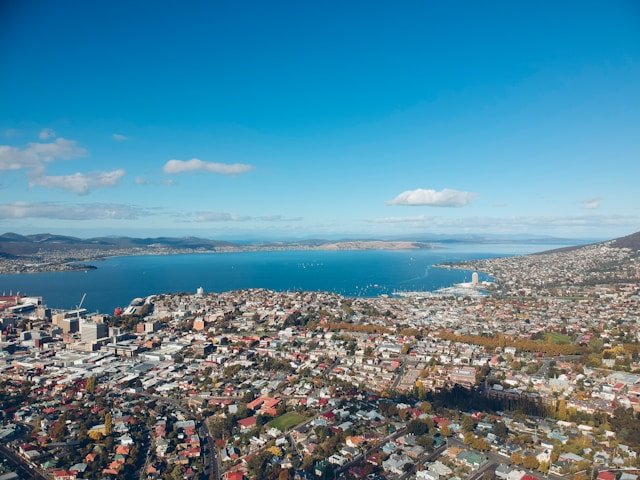
Highlights include:
- Hobart
- kunanyi / Mount Wellington
- Richmond
- Bruny Island
- Port Arthur
- Tasman Peninsula
- Huon Valley
For first-time visitors, South Tasmania provides an excellent introduction to the island.
South West Tasmania
South West Tasmania becomes dramatically wilder as you move away from the more populated south.
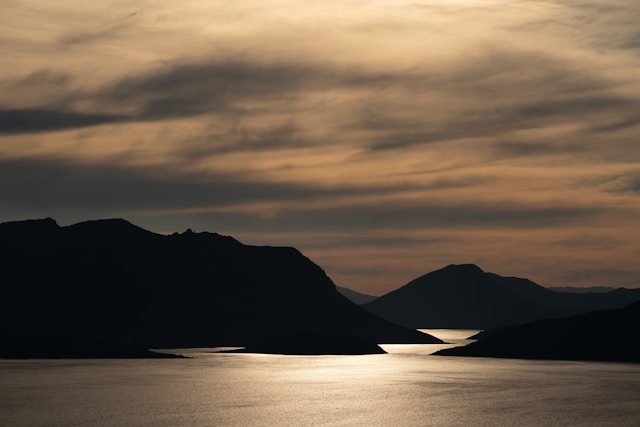
Highlights include:
- Southwest National Park
- Gordon Dam
- Lake Pedder
- Lake Gordon
- Hartz Mountains National Park
- Hastings Caves and Thermal Springs
- Cockle Creek
- Tahune Adventures
Much of the deeper south-west is true wilderness with limited road access.
East Coast Tasmania
Tasmania’s East Coast is famous for beaches, turquoise water and granite landscapes.
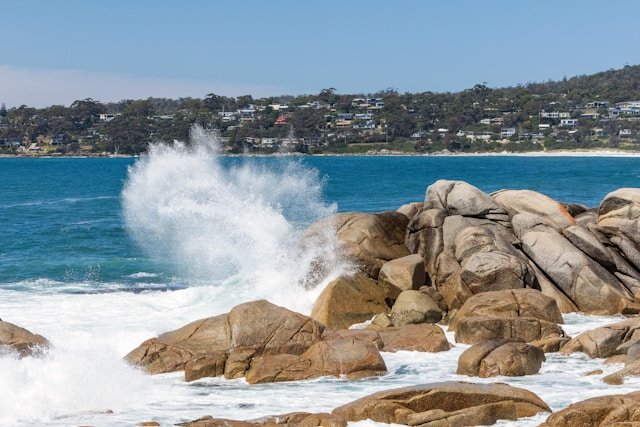
Highlights include:
- Freycinet National Park
- Wineglass Bay
- Coles Bay
- Bicheno
- St Helens
- Bay of Fires
- Binalong Bay
This region works beautifully as part of a Hobart-to-Launceston road trip.
North Tasmania
North Tasmania combines history, food, wine and natural attractions.

Highlights include:
- Launceston
- Cataract Gorge
- Tamar Valley
- George Town
- Low Head
- Bridestowe Lavender Estate
Launceston makes an excellent base for exploring the north.
North West Tasmania
North West Tasmania offers beautiful agricultural landscapes and a spectacular coastline.
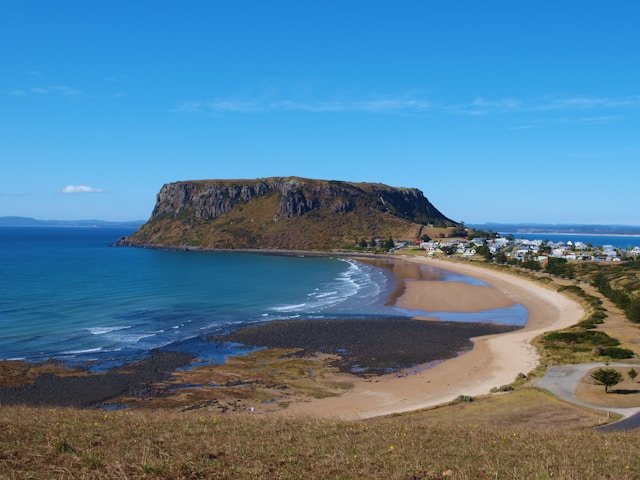
Highlights include:
- Devonport
- Penguin
- Burnie
- Wynyard
- Boat Harbour Beach
- Stanley
- The Nut
- Rocky Cape
It is particularly convenient for travellers arriving in Devonport by sea.
West Coast Tasmania
West Coast Tasmania feels completely different from the east.
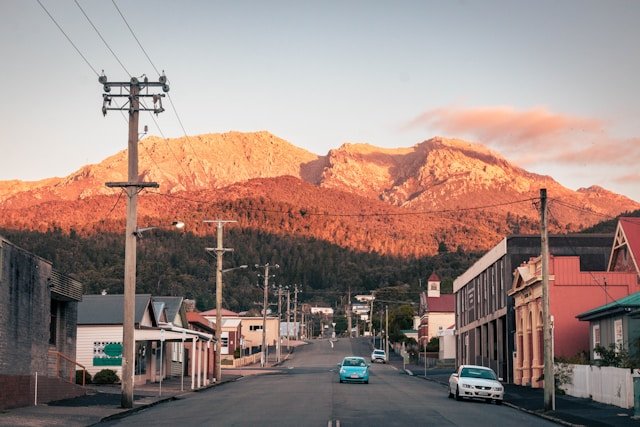
Here you’ll find rainforest, mountains, mining history and wild weather.
Highlights include:
- Queenstown
- Strahan
- Gordon River
- Henty Dunes
- Zeehan
- Montezuma Falls
- wilderness landscapes
Don’t rush the West Coast.
The journey is part of the experience.
Central Highlands Tasmania
Central Highlands Tasmania contains lakes, alpine landscapes and some of the island’s most peaceful interior scenery.
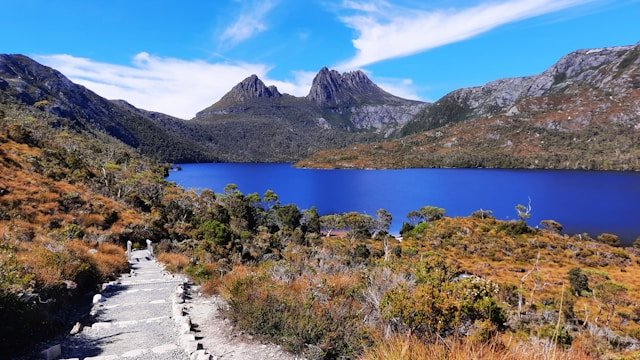
Highlights include:
- Great Lake
- Bothwell
- Lake St Clair
- Walls of Jerusalem
- highland lakes
- alpine landscapes
Cradle Mountain lies at the northern end of Cradle Mountain–Lake St Clair National Park and is usually incorporated into northern or north-western itineraries.
Step 5: Choose Your Must-See Places
A common Tasmania planning mistake is treating every attraction as essential.
Instead, divide your ideas into three groups.
Must See
Places you would genuinely regret missing.
Would Like to See
Places you’ll visit if the route and weather allow.
Optional
Places that are worth visiting but can be removed without ruining the holiday.
For example, your first list might look like this:
Must see
- Hobart
- Wineglass Bay
- Cradle Mountain
Would like to see
Optional
- Stanley
- Strahan
- Port Arthur
Now you can build a route around your priorities instead of attempting to circle the entire island.
Step 6: Build a Tasmania Road Trip That Makes Geographic Sense
Tasmania is perfect for road trips, but efficient routing matters.
Avoid constantly crossing the island.
A route should generally flow in one direction.
Example 7-Day Tasmania Itinerary
Day 1 – Hobart
Explore Hobart‘s waterfront, Salamanca Place and Battery Point.
Day 2 – Southern Tasmania
Choose one major excursion such as Port Arthur, Bruny Island or the Huon Valley.
Day 3 – Hobart to Freycinet
Travel towards the East Coast, stopping along the way rather than treating the journey purely as transport.
Day 4 – Freycinet National Park
Explore Freycinet National Park, including Wineglass Bay and the surrounding peninsula.
Day 5 – Freycinet to Launceston
Travel north and continue towards Launceston.
Day 6 – Launceston
Explore Cataract Gorge and the city, or spend time in the Tamar Valley.
Day 7 – Departure
Depart from Launceston or continue your Tasmania journey.
This route works because it moves naturally through the island rather than doubling back.
A 10-Day Tasmania Itinerary for First-Time Visitors
Ten days allows you to introduce another major region.
Day 1 – Hobart
Settle in and explore the waterfront.
Day 2 – Hobart
Visit Salamanca, Battery Point and kunanyi / Mount Wellington.
Day 3 – Bruny Island or Port Arthur
Choose one substantial southern day trip: Bruny Island for coastline, wildlife and local produce, or Port Arthur for one of Tasmania’s most significant historic experiences.
Day 4 – Hobart to Freycinet
Begin your East Coast Tasmania journey.
Day 5 – Freycinet
Explore Freycinet National Park, Wineglass Bay and surrounding attractions.
Day 6 – East Coast
Travel through Bicheno and continue north.
Day 7 – Bay of Fires
Explore the Bay of Fires, Binalong Bay and surrounding coastline.
Day 8 – Launceston
Travel inland and explore Launceston.
Day 9 – Cradle Mountain
Continue towards Cradle Mountain and spend time in the national park.
Day 10 – Departure or North West Tasmania
Depart via Launceston or Devonport, or extend the journey into North West Tasmania.
A 14-Day Tasmania Road Trip
Two weeks gives you room to slow down.
One possible route is:
Days 1–3: Hobart and South Tasmania
Explore Hobart and choose between Bruny Island, Port Arthur, Richmond or the Huon Valley.
Days 4–6: East Coast and Freycinet
Spend time around Freycinet National Park, Wineglass Bay, Bicheno and the East Coast.
Day 7: Bay of Fires
Explore the Bay of Fires and north-east coastline.
Days 8–9: Launceston and Tamar Valley
Enjoy Launceston, northern food, wine, history and Cataract Gorge.
Days 10–11: Cradle Mountain
Allow enough time for walking and unpredictable mountain weather.
Day 12: North West Tasmania
Explore North West Tasmania and continue along the coast towards Stanley.
Day 13: Stanley
Experience The Nut and the surrounding region.
Day 14: Departure
Return towards Devonport or Launceston depending on your transport arrangements.
If the West Coast is a higher priority than Stanley, substitute the north-western section with Queenstown and Strahan and use the West Coast Tasmania Travel Guide to plan the route.
Step 7: Don’t Underestimate Tasmania’s Driving Times
This is one of the most important pieces of advice in this entire guide.
Tasmania is compact, but driving takes longer than many visitors expect.
Roads can be:
- winding
- narrow
- mountainous
- wet
- icy
- unsealed
- shared with wildlife
And you’ll probably stop more often than expected.
A beach appears around a corner.
You notice a waterfall sign.
A lookout wasn’t on your itinerary.
You find a small town worth exploring.
This is Tasmania.
Build spare time into every driving day.
As a rough planning reference, official tourism guidance lists journeys such as Hobart to Launceston at around 2 hours 20 minutes, Hobart to Coles Bay at around 2 hours 35 minutes, and Hobart to Cradle Mountain at around four hours under normal conditions.
Treat those as driving estimates—not sightseeing itineraries.
If a route is supposed to take three hours, don’t automatically schedule an activity three hours and five minutes after leaving.
Give yourself room.
Step 8: Decide Whether You Need a Car
For most travellers planning a multi-region Tasmania holiday, a vehicle provides the greatest flexibility.
Tasmania’s major cities can be explored without a car, and organised tours can reach many popular destinations.
But public transport does not provide the same level of access to remote beaches, national parks, small towns and wilderness areas.
Tasmania Without a Car
A car-free trip is absolutely possible.
A good car-free itinerary might focus on:
- Hobart
- Launceston
- organised day tours
- selected intercity transport
- guided national-park trips
This approach can work particularly well for visitors who don’t want to drive.
However, careful planning is important because transport frequency outside major population centres can be limited.
Rental Car
For most first-time road trips, a normal rental car is sufficient.
Check:
- insurance
- excess
- unsealed-road restrictions
- permitted locations
- fuel policy
- one-way fees
- additional-driver charges
Don’t assume every rental vehicle can be driven on every road.
Campervan
Campervans provide flexibility but require more planning than simply finding somewhere to stop for the night.
Check:
- legal camping locations
- campground requirements
- national-park rules
- waste disposal
- power needs
- road suitability
Responsible camping helps protect the landscapes you’ve travelled to see.
Step 9: Learn the Basics of Driving in Tasmania
Australia drives on the left-hand side of the road.
If you’re visiting from a country that drives on the right, allow time to adjust.
Tasmania’s roads demand concentration.
Watch for Wildlife
Wildlife is particularly active around dawn and dusk.
Wallabies, pademelons, wombats and other animals can move onto roads unexpectedly.
Slow down.
If you can avoid unnecessary night driving in rural Tasmania, do so.
Take Weather Seriously
Tasmanian road conditions can change rapidly.
Rain, frost, snow and ice may affect highland and mountain routes.
Check current conditions before travelling into alpine areas.
Don’t Stop in the Road for Photos
Tasmania provides endless photographic temptations.
Use proper pull-offs, parking areas and safe viewpoints.
Never stop suddenly in a traffic lane because you’ve spotted a beautiful landscape.
Step 10: Understand Tasmania’s National Park Passes
Tasmania’s national parks are among the biggest reasons to visit the island.
A valid parks pass is required for entry to Tasmania’s national parks.
This includes major destinations such as:
- Freycinet National Park
- Cradle Mountain–Lake St Clair National Park
- Mount Field National Park
- Tasman National Park
- South Bruny National Park
- Southwest National Park
- Hartz Mountains National Park
- Walls of Jerusalem National Park
If you’re visiting several parks, compare the available multi-park options rather than buying access separately without checking.
Pass prices and conditions can change, so always confirm current information before travelling.
Cradle Mountain Is Different
Cradle Mountain has specific visitor-access arrangements, including a shuttle service between the visitor centre and Dove Lake.
Do not assume that every general national-park pass automatically includes every Cradle Mountain transport service.
Check the current arrangements when planning your visit.
Step 11: Decide Where to Stay
Your accommodation strategy can dramatically improve—or damage—your Tasmania itinerary.
A common mistake is choosing one base and attempting extremely long day trips.
Instead, move accommodation when the geography justifies it.
Hobart
A good base for:
- Hobart
- Richmond
- parts of the Huon Valley
- Port Arthur day trips
- Bruny Island day trips
Coles Bay / Freycinet Area
A good base for:
- Freycinet National Park
- Wineglass Bay
- Cape Tourville
- surrounding beaches
Bicheno
Useful for:
- East Coast Tasmania exploration
- wildlife experiences
- Freycinet access
- journeys north towards St Helens
St Helens / Binalong Bay
Ideal for:
- Bay of Fires
- north-east coast
- beaches
Step 12: Book the Right Things Early
Not every part of a Tasmania trip needs to be booked months ahead.
But some things deserve early attention, especially if you’re travelling during summer, school holidays, major events or long weekends.
Flights or Ferry
Book your transport to Tasmania first.
This gives the rest of your itinerary a clear starting and finishing point.
If you’re flying, compare whether it makes more sense to arrive in Hobart and depart from Launceston, or vice versa.
Travellers bringing their own vehicle should check Spirit of Tasmania sailing availability well ahead of their intended dates.
Rental Vehicle
If you’re planning to explore several regions, booking your vehicle early is sensible.
This is particularly important during busy periods when the most affordable vehicle categories may sell out.
Before confirming a booking, check:
- insurance and excess
- kilometre allowances
- unsealed-road restrictions
- one-way fees
- additional-driver fees
- fuel policy
- cancellation conditions
Accommodation in Smaller Destinations
Hobart and Launceston offer relatively broad accommodation choices, but smaller destinations may have fewer rooms.
Consider booking early if you plan to stay near:
- Cradle Mountain
- Freycinet National Park
- Bay of Fires
- Stanley
- Strahan
- remote national parks
Major Walks
Some of Tasmania’s multi-day walking experiences have specific booking systems, seasonal requirements or capacity limits.
If a major hike is one of the main reasons for your visit, research it before finalising the rest of the itinerary.
High-Priority Experiences
You don’t need to pre-book every activity.
But if your holiday would feel incomplete without a particular cruise, wildlife experience, tour or attraction, reserve it rather than hoping space remains.
Step 13: Plan for Tasmania’s Weather
Tasmania’s weather is one of the biggest factors in trip planning.
Conditions can vary significantly between regions on the same day.
It may be relatively mild in Hobart while conditions are wet or windy on the West Coast, and alpine areas can experience completely different conditions again.
Altitude matters too.
Conditions on kunanyi / Mount Wellington, Cradle Mountain or in the Central Highlands can be very different from nearby towns.
What Should You Pack for Tasmania?
Regardless of the season, consider bringing:
- waterproof outer layer
- warm mid-layer
- comfortable walking shoes
- sun protection
- hat
- reusable water bottle
- daypack
- spare warm clothing
For hiking, your equipment should match the walk and expected conditions.
Never treat an alpine walk like a casual city stroll.
Build Weather Flexibility Into Your Itinerary
If you’re spending several nights in one region, avoid locking every outdoor activity to one specific day.
For example, if you’re spending two days at Cradle Mountain, you may be able to use the better-weather day for your priority walk.
The same principle applies to Freycinet, the West Coast and Tasmania’s alpine areas.
Step 14: Plan Around Daylight
The amount of daylight available changes significantly across Tasmania’s seasons.
Summer provides long evenings and gives road trippers much more time for sightseeing.
Winter is different.
Shorter daylight hours mean you should reduce how much you attempt each day.
This matters especially when driving between regional destinations.
A summer itinerary involving several coastal stops followed by an evening drive may be unrealistic in winter.
Why Daylight Matters for Driving
Wildlife activity increases around dawn and dusk.
That means shorter winter days can push more of your driving into periods when animals are active near roads.
Whenever possible, plan major rural drives during daylight.
Step 15: Choose Between East Coast and West Coast Tasmania
If you don’t have enough time to explore both sides of the island, deciding between Tasmania’s east and west can be difficult.
The two regions offer very different experiences.
Choose East Coast Tasmania If You Prefer:
- white sand beaches
- turquoise water
- coastal towns
- swimming
- kayaking
- seafood
- Freycinet National Park
- Wineglass Bay
- Bay of Fires
The East Coast Tasmania Travel Guide is a useful starting point if beaches and coastal scenery are among your priorities.
Choose West Coast Tasmania If You Prefer:
- rainforest
- dramatic mountains
- mining history
- wild rivers
- remote landscapes
- wilderness
- Strahan
- Queenstown
- Gordon River
The West Coast Tasmania Travel Guide covers the region in more detail.
Neither coast is better.
They simply represent completely different versions of Tasmania.
With two weeks or longer, it may be possible to experience both.
Step 16: Should You Visit Hobart or Launceston?
Ideally, visit both.
The cities offer very different experiences and work well as opposite ends of a Tasmania road trip.
Choose Hobart If You Want:
- Salamanca Place
- waterfront atmosphere
- Battery Point
- MONA
- kunanyi / Mount Wellington
- southern day trips
- Bruny Island
- Port Arthur
Read the Hobart Travel Guide if Tasmania’s capital will be part of your itinerary.
Choose Launceston If You Want:
- Cataract Gorge
- Tamar Valley
- northern Tasmania
- wineries
- heritage architecture
- access towards Cradle Mountain
The Launceston Travel Guide covers the city and its major attractions.
If your itinerary permits it, flying into one city and leaving from the other can be an efficient way to see both.
Step 17: Should You Visit Cradle Mountain?
For most first-time visitors interested in nature, Cradle Mountain deserves serious consideration.
The mountain sits at the northern end of Cradle Mountain–Lake St Clair National Park and is one of Tasmania’s most recognisable wilderness destinations.
Visitors come for:
- Dove Lake
- alpine scenery
- wildlife
- rainforest walks
- longer hiking routes
- mountain views
But don’t add Cradle Mountain simply because every Tasmania itinerary tells you to.
If you’re spending only three or four days around Hobart and the East Coast, travelling across the island just to tick it off a list can create an exhausting itinerary.
Cradle Mountain is better experienced when you have enough time to stay nearby and account for changing weather.
Step 18: Should You Visit Wineglass Bay?
Wineglass Bay is one of Tasmania’s most recognisable coastal destinations and a natural inclusion in many East Coast Tasmania itineraries.
It lies within Freycinet National Park, where visitors can explore much more than the famous lookout.
Other experiences in the area include:
- beaches
- granite mountains
- coastal viewpoints
- Cape Tourville
- Honeymoon Bay
- longer walking tracks
If you have time, experience the wider Freycinet Peninsula rather than arriving solely for one photograph.
Step 19: Should You Visit the Bay of Fires?
If your trip includes north-east Tasmania, the Bay of Fires is well worth considering.
The region is known for:
- white beaches
- clear water
- orange-lichen-covered granite
- coastal scenery
- Binalong Bay
- quiet beaches
- photography
The Bay of Fires fits naturally into an East Coast route travelling towards St Helens and north-east Tasmania.
However, if you have only a few days focused on Hobart or southern Tasmania, don’t force it into the itinerary simply because it is famous.
Good Tasmania planning is about choosing the right places for your available time.
Step 20: Add Some Places That Aren’t Famous
Tasmania’s headline destinations are popular for good reason.
But some of the most memorable experiences happen between them.
Leave room for:
- small towns
- roadside lookouts
- local bakeries
- forest walks
- beaches
- waterfalls
- historic settlements
- quiet coastal roads
- places you discover unexpectedly
A road trip through North West Tasmania, the Central Highlands or South West Tasmania can reveal a very different Tasmania from the major tourism routes.
Don’t make every hour of your holiday a reservation.
Tasmania is a destination where flexibility has genuine value.
Food and Drink When Visiting Tasmania
Tasmania has developed a strong reputation for produce, seafood, cool-climate wine and regional food experiences.
Depending on where you travel, look for:
- seafood
- cheese
- berries
- apples
- cherries
- honey
- cool-climate wine
- local baked goods
- seasonal produce
Food can become part of your road trip rather than something you do after sightseeing.
The Tamar Valley near Launceston is particularly well known for wine, while the Huon Valley is strongly associated with orchards and produce.
Bruny Island is another popular destination for travellers who want to combine dramatic coastal scenery with local food experiences.
Wildlife in Tasmania
Tasmania offers excellent opportunities to encounter native wildlife.
Depending on your location, you may see:
- wombats
- wallabies
- pademelons
- echidnas
- Tasmanian devils
- platypuses
- little penguins
- seals
- dolphins
- whales
- wedge-tailed eagles
Wildlife encounters can happen almost anywhere, from national parks to rural roadsides.
Cradle Mountain is particularly well known for wombat sightings, while coastal areas around northern and eastern Tasmania can provide opportunities to observe penguins, seabirds and marine wildlife.
Respect Tasmania’s Wildlife
The best wildlife encounter is one that doesn’t disturb the animal.
Always:
- keep your distance
- never feed wildlife
- follow signs and local guidance
- keep dogs away from prohibited areas
- slow down while driving
- avoid approaching animals for photographs
Tasmania for Families
Tasmania can be an excellent family destination because a single holiday can combine:
- cities
- beaches
- wildlife
- short nature walks
- museums
- food experiences
- scenic drives
The biggest challenge for families is often not finding things to do—it is trying to do too much.
For families with young children, reduce the number of accommodation changes.
Instead of moving every night, consider staying two or three nights in strategic bases.
For example:
- Hobart: 3 nights
- Freycinet or Bicheno: 2 nights
- Launceston: 2 nights
- Cradle Mountain: 2 nights
This allows everyone to enjoy the trip rather than spending every day packing and unpacking.
Tasmania for Couples
Tasmania works particularly well for couples who enjoy a combination of:
- nature
- food
- wine
- boutique accommodation
- road trips
- hiking
- photography
- quiet coastal towns
A slower itinerary is often better than trying to complete a full circuit.
Consider combining a few nights in Hobart with the East Coast, northern wineries or a wilderness stay.
Tasmania for Hikers
If hiking is the main reason for your visit, design the trip around walking conditions rather than trying to squeeze hikes between sightseeing stops.
Tasmania offers everything from short rainforest walks to demanding alpine routes and multi-day wilderness tracks.
Major walking areas include:
- Cradle Mountain–Lake St Clair National Park
- Freycinet National Park
- Tasman Peninsula
- Mount Field National Park
- Hartz Mountains National Park
- Walls of Jerusalem National Park
- Southwest National Park
The South West Tasmania and Central Highlands Tasmania regions are particularly rewarding for travellers seeking wilderness experiences.
Always check current track and weather information before setting out.
Tasmania’s alpine conditions can change rapidly.
Tasmania for Photographers
Photography changes how you should plan a Tasmania trip.
Instead of visiting five places in one day, photographers may prefer to visit one location more than once in different light.
Popular photography areas include:
- Cradle Mountain
- Bay of Fires
- Freycinet National Park
- kunanyi / Mount Wellington
- West Coast Tasmania
- Stanley
- Lake St Clair
- South West Tasmania
If photography is a priority, choose accommodation close to your preferred sunrise and sunset locations.
That can be more valuable than staying in a larger town farther away.
How Much Should You Budget for Tasmania?
There isn’t one useful daily budget for every traveller because Tasmania can be experienced at very different price levels.
Your largest expenses will usually include:
- transport to Tasmania
- rental vehicle or ferry
- fuel
- accommodation
- food
- national parks
- paid attractions
- tours and experiences
A camping road trip can cost very differently from a trip involving premium accommodation and organised experiences.
Instead of beginning with an arbitrary daily budget, calculate your Tasmania trip in this order:
- Transport to Tasmania
- Vehicle
- Accommodation
- Fuel
- Food
- National parks
- Paid attractions
- Experiences
- Emergency buffer
This creates a much more realistic estimate.
Don’t Forget Regional Fuel Costs
If you’re travelling through remote parts of West Coast Tasmania, South West Tasmania or the Central Highlands, don’t assume fuel will always be available exactly when you need it.
Top up when practical before heading into less populated areas.
What Should You Book Before Arriving in Tasmania?
For a normal Tasmania road trip, book your essentials first.
Prioritise:
- transport to Tasmania
- departure transport
- rental vehicle
- first accommodation
- accommodation in high-demand destinations
- essential experiences
Then leave some flexibility.
If every day is completely locked months in advance, weather disruptions can make the itinerary difficult to adjust.
What Should You Leave Flexible?
Consider leaving flexibility around:
- short walks
- beaches
- scenic lookouts
- local food stops
- secondary attractions
- weather-sensitive activities
For example, if you have two full days at Cradle Mountain, you can choose the better-weather day for your priority walk.
Similarly, if you’re staying near Freycinet National Park for several nights, you have more freedom to adapt your plans to wind, rain or cloud.
That is much better than arriving for only a few hours with no alternative.
Common Tasmania Trip Planning Mistakes
Mistake 1: Trying to See the Whole Island in a Week
You can technically cover a huge distance in seven days.
That doesn’t mean it will be enjoyable.
Choose fewer destinations and experience them properly.
Mistake 2: Trusting the Map More Than the Road
A short-looking distance doesn’t always equal a quick drive.
Tasmania’s winding roads can make journeys slower than expected.
Mistake 3: Staying Only One Night Everywhere
Constant packing, unpacking and checking in consumes more holiday time than many travellers realise.
Two-night stays in major destinations often create a much better trip.
Mistake 4: Ignoring Weather
Tasmania’s weather is part of the travel experience.
Plan around it rather than assuming every day will match the forecast you hoped for.
Mistake 5: Driving Too Much at Night
Wildlife is a serious consideration on rural roads.
Try to complete major drives before dark where possible.
Mistake 6: Not Checking National Park Requirements
Know which parks you’re visiting before you arrive and check current entry requirements.
Mistake 7: Scheduling Every Minute
Leave room for unexpected discoveries.
Some of Tasmania’s best experiences won’t appear in your original itinerary.
Mistake 8: Packing Only for the Season
Pack for changing conditions, not just the calendar.
Even summer can bring cool, wet or windy conditions.
Mistake 9: Treating Hobart as All of Tasmania
Hobart is an excellent city, but Tasmania’s character changes dramatically once you travel beyond the capital.
Mistake 10: Skipping the Journey Between Attractions
The road itself is often part of the experience.
A journey through the Great Eastern Drive, the West Coast or the Central Highlands can be just as memorable as the destination at the end.
Tasmania Trip Planning Checklist
3–6 Months Before Your Trip
- Decide your approximate travel dates.
- Decide how many days you can spend in Tasmania.
- Choose your main regions.
- Compare flights and ferry options.
- Research vehicle hire.
- Reserve high-demand accommodation.
- Identify your must-see destinations.
1–3 Months Before Your Trip
- Refine your itinerary.
- Research national parks.
- Book priority experiences.
- Check major walk requirements.
- Consider travel insurance.
- Review driving distances.
1–2 Weeks Before Your Trip
- Check weather trends.
- Review road conditions.
- Confirm reservations.
- Download useful maps.
- Check luggage.
- Prepare appropriate outdoor equipment.
The Day Before Each Major Drive
- Check weather.
- Check road alerts.
- Check national-park alerts.
- Fuel the vehicle if travelling somewhere remote.
- Confirm realistic driving time.
- Allow extra time for stops.
Frequently Asked Questions About Planning a Trip to Tasmania
How do I plan my first trip to Tasmania?
Start with the number of days you have available. Then choose two or three connected regions, build a route that moves naturally between them, arrange your transport and accommodation, and leave enough flexibility for weather and spontaneous stops.
The Travel Tasmania guide is a useful starting point for comparing the island’s major regions.
How many days is enough for Tasmania?
Seven to ten days gives most first-time visitors a good introduction.
Two weeks is better if you want to explore several regions without constantly rushing.
Is 7 days enough for Tasmania?
Yes, provided you don’t try to see everything.
A seven-day itinerary works best when focused on several geographically connected destinations.
Is 10 days enough for Tasmania?
Yes.
Ten days gives first-time visitors enough time to combine several major destinations while maintaining a reasonable pace.
Is 2 weeks enough for Tasmania?
Two weeks is an excellent amount of time for a first visit.
It allows you to explore multiple regions and spend more than one night in key destinations.
Do I need a car in Tasmania?
Not necessarily.
If you’re staying primarily in Hobart or Launceston and using organised tours, you can travel without one.
However, a car offers substantially more flexibility for a multi-region road trip.
Can I travel around Tasmania without a car?
Yes.
Intercity transport, tours and transfers make car-free travel possible, but access becomes more limited outside major cities and popular tourism routes.
Should I fly into Hobart or Launceston?
Choose whichever airport works best with your route.
For a multi-region trip, flying into Hobart and out of Launceston, or the reverse, can reduce unnecessary backtracking.
Can I take my own car to Tasmania?
Yes.
Travellers can bring vehicles across Bass Strait on the Spirit of Tasmania service between Geelong and Devonport.
What is the best month to visit Tasmania?
There is no single best month.
Summer suits beaches and long outdoor days, autumn is excellent for road trips and walking, winter offers snow and dramatic scenery, and spring brings wildflowers and active wildlife.
What is the best Tasmania itinerary for first-time visitors?
A classic first-time route combines Hobart, South Tasmania, Freycinet National Park, the East Coast, Launceston and Cradle Mountain.
Adjust the route according to how many days you have.
Is Tasmania expensive to visit?
It can be during high-demand periods, particularly for vehicle hire and accommodation.
However, overall costs vary significantly depending on the season, accommodation style and activities you choose.
Do I need a national parks pass in Tasmania?
A valid parks pass is required for entry to Tasmania’s national parks.
Always check current Parks and Wildlife Service requirements before travelling because prices and conditions can change.
Do I need to book Cradle Mountain?
You should check current visitor access, shuttle arrangements and accommodation availability before travelling.
If you’re planning a multi-day walk, separate booking requirements may apply.
Can you drive around Tasmania in a week?
You can cover a considerable distance, but a full circuit in seven days can feel rushed.
A focused regional itinerary usually creates a better experience.
Is Tasmania good for a road trip?
Yes.
Road travel is one of the best ways to experience Tasmania because many of the island’s most memorable destinations lie outside the major cities.
Is Tasmania suitable for children?
Yes.
Tasmania offers wildlife, beaches, short walks, museums, parks and family-friendly attractions.
Families should avoid overly ambitious driving schedules.
Is Tasmania safe to drive?
Tasmania is generally straightforward to drive, but visitors need to account for winding roads, changing weather, wildlife and possible snow or ice at higher elevations.
What should I pack for Tasmania?
Pack layers, waterproof clothing, comfortable footwear and sun protection regardless of season.
Hiking and alpine trips require additional preparation.
Should I visit Tasmania’s East Coast or West Coast?
Choose the East Coast for beaches, Freycinet and coastal scenery.
Choose the West Coast for rainforest, mountains, wilderness and mining history.
If you have enough time, experience both.
Final Advice: Don’t Try to Complete Tasmania
Perhaps the most useful advice for anyone asking “How do I plan a trip to Tasmania?” is this:
Don’t plan your first visit as though it will be your only one.
Tasmania isn’t a checklist.
The island changes dramatically from region to region.
Hobart feels different from the West Coast.
Freycinet National Park feels different from Cradle Mountain.
The agricultural landscapes and coastlines of North West Tasmania feel completely different from the forests, lakes and mountains of South West Tasmania.
Trying to fit all of those experiences into one rushed itinerary often means spending too much of your holiday looking through a windscreen.
Choose the places that matter most to you.
Stay a little longer.
Take the road that wasn’t originally in your plan.
Stop at the beach that doesn’t appear on every “top ten Tasmania” list.
Walk through the forest.
Explore the towns you pass through.
And leave something for next time.
Because one of the best outcomes of planning a trip to Tasmania is discovering that you’ll probably want to come back.
- Flights: compare flights for your Tasmania trip.
- Accommodation: compare accommodation options for Hobart and your wider South Tasmania itinerary.
- Car hire: compare rental car options for your Tasmania road trip.
- Camping and campervan planning: browse Camps Australia Wide travel guides.
- International mobile data: explore Airalo eSIM options and check device compatibility before purchasing.
Affiliate disclosure: Some links on this page are affiliate links. Island Files Tasmania may receive a commission from eligible bookings or purchases made through these links at no additional cost to you. Affiliate relationships do not affect our aim of providing useful, independent travel-planning information.
Travel information note: Information in this South Tasmania travel guide is intended for general trip planning. Ferry arrangements, prices, opening hours, road access, national park requirements, walking-track conditions, tours and other visitor information can change. Always confirm important details with the relevant official authority, accommodation provider or operator before travelling.