
East Coast Tasmania is one of the island’s most rewarding regions to explore slowly. Granite mountains rise beside sheltered bays, long beaches stretch between small coastal towns, national parks protect some of Tasmania’s best-known landscapes, and the journey between destinations often becomes as memorable as the destinations themselves.
For many visitors, this is where the Tasmania they imagined before arriving begins to appear: pale beaches, clear water, orange-lichen-covered granite, fishing towns, vineyards and the dramatic outline of the Hazards above Freycinet.

Yet the East Coast is much more than Wineglass Bay and the Bay of Fires.
Travelling north from Orford and Triabunna, the landscape opens around Great Oyster Bay before continuing through Swansea, the Freycinet Peninsula, Bicheno, Scamander, St Helens and the north-east coastline. Along the way are national parks, wildlife areas, beaches, short walks, longer hikes, seafood, vineyards and small places that reward travellers who leave room in the itinerary to stop.
This East Coast Tasmania travel guide is designed as the main regional planning page for Island Files Tasmania. It brings together the major towns, national parks, beaches, road-trip routes, walking areas, wildlife experiences and practical travel information you may need before deciding how long to spend on the coast.
If the East Coast forms part of a larger island itinerary, begin with our Travel Tasmania guide. If you are still deciding how many days you need, where to arrive and how to connect Tasmania’s regions, our complete guide to planning a trip to Tasmania takes you through that process step by step.
Jump to East Coast Tasmania
- East Coast Tasmania Overview
- Where Is East Coast Tasmania?
- Why Visit East Coast Tasmania?
- Orford, Triabunna & the Southern East Coast
- Maria Island
- Swansea & Great Oyster Bay
- Freycinet National Park
- Wineglass Bay
- Coles Bay
- Bicheno
- Scamander & the Northern Coast
- St Helens
- Bay of Fires
- Best Beaches
- Best Walks & Outdoor Experiences
- Wildlife
- Food, Seafood & Wine
- Driving the East Coast
- Best Time to Visit
- Where to Stay
- Getting Around
- East Coast Tasmania Itineraries
- Practical Travel Tips
- Frequently Asked Questions
East Coast Tasmania Overview
Tasmania’s East Coast is best understood as a journey rather than a collection of isolated attractions.
The region contains some of Tasmania’s best-known destinations, including Freycinet National Park, Wineglass Bay and the Bay of Fires. Those places deserve attention, but travelling only between them can mean overlooking much of what gives the coast its character.
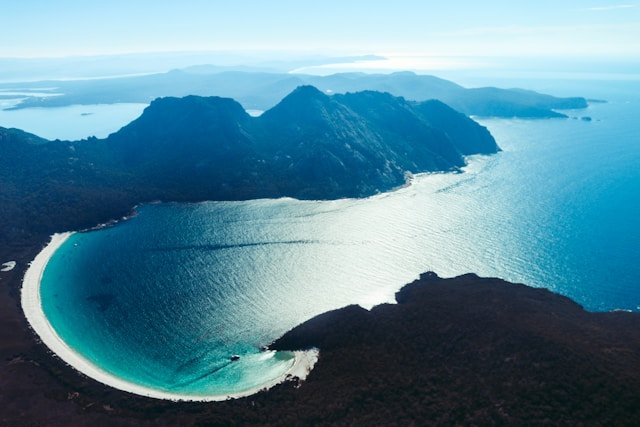
Small towns sit between wide bays and beaches. Vineyards occupy slopes above the coast. Fishing remains visible around several communities. Granite becomes increasingly prominent around Freycinet and the north-east, while Maria Island sits offshore from the southern part of the touring route.
The landscape changes gradually rather than at one exact regional boundary. Approaching from Hobart, travellers pass through south-eastern Tasmania before reaching Orford and Triabunna. Great Oyster Bay then opens towards Swansea and Freycinet. Beyond Bicheno, the highway continues through smaller settlements and beaches towards St Helens and the Bay of Fires.
This linear geography is one of the East Coast’s greatest advantages for road-trip planning. Travellers can move steadily from South Tasmania towards North Tasmania without repeatedly retracing the same route.
A south-to-north trip can begin in Hobart, continue through the East Coast and finish around Launceston. The same itinerary works in reverse.
Where Is East Coast Tasmania?
There is no single tourism boundary that every organisation or traveller uses in exactly the same way when describing Tasmania’s East Coast.
For practical travel planning, Island Files Tasmania treats the region as the coastal corridor beginning around Orford and Triabunna and continuing north through Swansea, the Freycinet Peninsula, Bicheno, Scamander and St Helens towards the Bay of Fires and north-east coast.
This is a travel-planning framework rather than an attempt to impose rigid regional borders.
The southern end connects naturally with Hobart and South Tasmania. The northern end connects with Launceston and North Tasmania, while roads farther north-east continue towards increasingly remote coastal and rural country.
The main touring road follows the Tasman Highway for much of the journey, with side roads leading to places such as Coles Bay, Freycinet National Park, Binalong Bay and The Gardens.
Distances may look modest on a map, but the East Coast should not be planned according to kilometres alone. Beaches, short walks, viewpoints, wineries, food stops and small towns can turn a simple transfer into much of a day’s sightseeing.
Why Visit East Coast Tasmania?
The strongest reason to visit East Coast Tasmania is the variety available within one relatively straightforward road-trip corridor.
A traveller might begin a morning beside a quiet bay, climb through granite country before lunch, stop in a small coastal town during the afternoon and finish the day beside another stretch of beach.
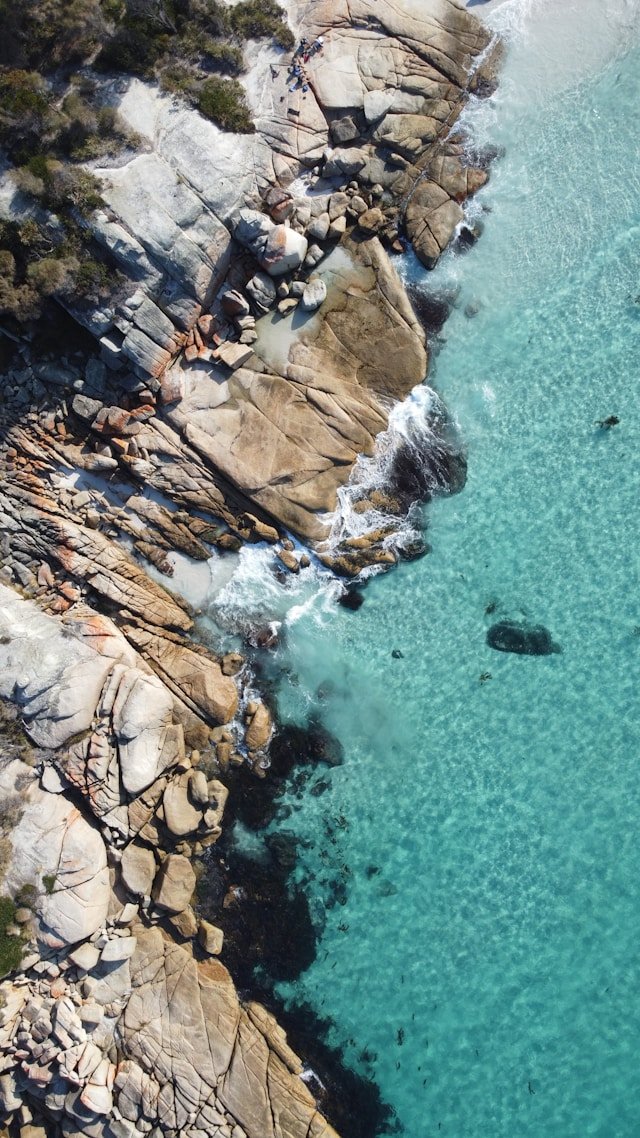
The region suits several different styles of travel.
- Road trippers can move gradually between towns rather than making large inland transfers.
- Walkers can choose short lookouts, beach walks, granite climbs and longer peninsula routes.
- Beach travellers can explore sheltered coves, long open beaches and granite-framed bays.
- Wildlife enthusiasts may encounter little penguins, wombats, wallabies, seabirds, dolphins and seasonal whale activity.
- Food-focused visitors can incorporate seafood, vineyards, oysters and regional produce into the journey.
- Families can mix shorter walks, beaches and wildlife experiences without relying entirely on demanding hikes.
- Photographers encounter changing light across granite headlands, long beaches, mountains and coastal settlements.
The region is also comparatively easy to combine with other parts of Tasmania. For visitors with limited time, a geographically simple route through the East Coast can often work better than repeatedly crossing the island between distant headline attractions.
Orford, Triabunna & the Southern East Coast
Orford and Triabunna provide a natural transition between South Tasmania and the East Coast.
Many travellers pass through on the way to Freycinet, but allowing some time here can make the first day of an East Coast Tasmania road trip much more relaxed.
Orford
Orford sits near the mouth of the Prosser River with views towards Maria Island across Mercury Passage. Beaches and coastal areas around the town provide an early introduction to the character of the East Coast.
For travellers coming directly from Hobart, stopping around Orford can also prevent the first day from becoming little more than a transfer to Freycinet.
Orford can work as a short stop, an overnight base or part of a slower journey towards Triabunna and Maria Island.
Triabunna
Nearby Triabunna is particularly important because it is the departure point for ferry travel to Maria Island National Park.
Travellers catching the ferry should allow enough time for parking and check-in rather than arriving according to the theoretical minimum driving time from elsewhere.
The Orford–Triabunna area demonstrates an important East Coast planning principle: the coast becomes much more rewarding when smaller towns are allowed to be part of the journey rather than simply passed on the way to headline attractions.
Maria Island
Maria Island National Park lies offshore from Tasmania’s southern East Coast and offers one of the region’s most distinctive experiences.
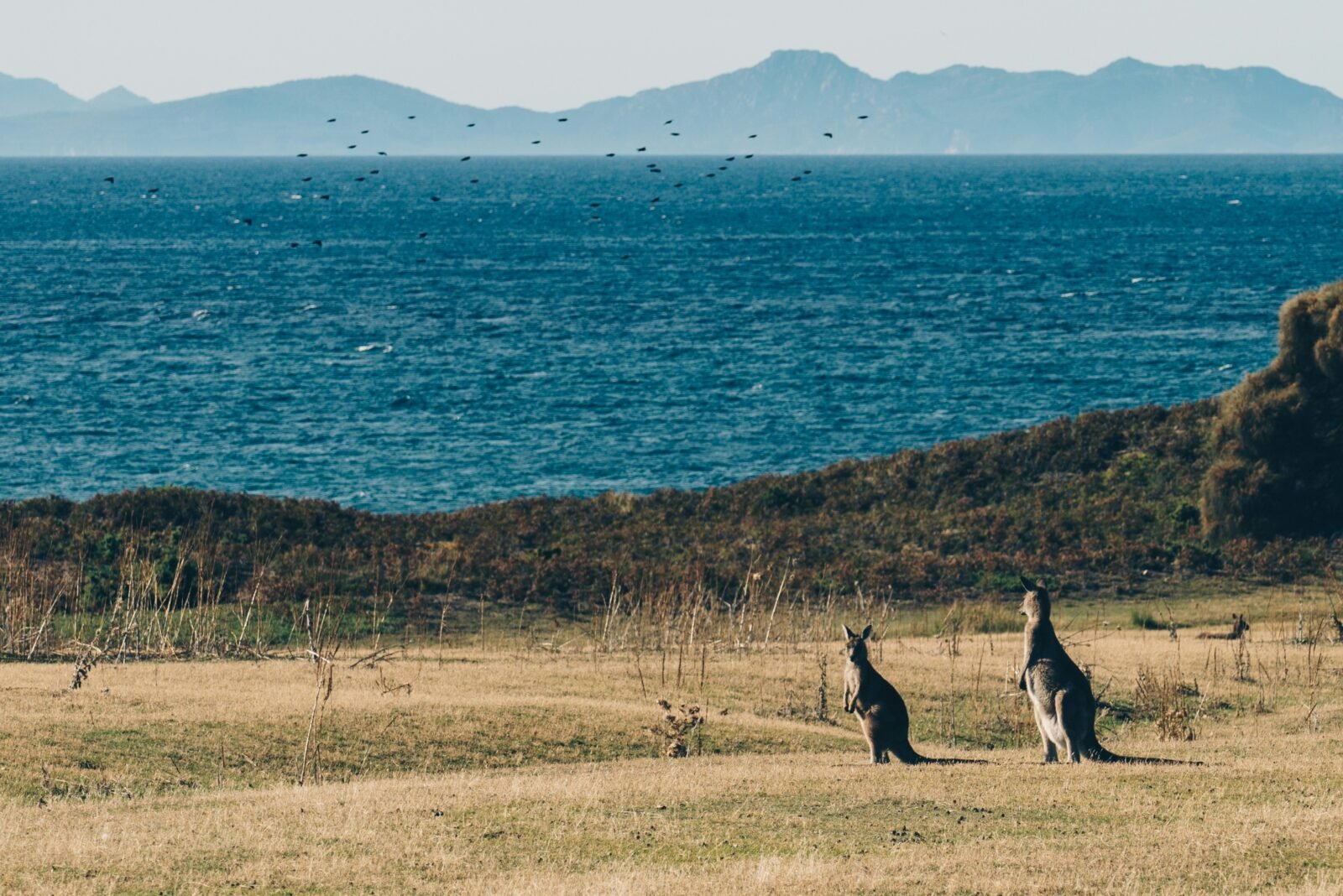
The island is reached by passenger ferry from Triabunna. Current Tasmania Parks and Wildlife Service advice states that ferry bookings are essential. Private visitor cars are not used to explore Maria Island, so visitors travel primarily on foot or by bicycle after arriving.
This changes the pace of a visit. Distances matter more because every additional place you choose to see involves walking or cycling, and the day’s plan also needs to fit comfortably around the confirmed return ferry.
Darlington
Darlington is the main historic settlement area and the starting point for many visits to Maria Island.
The Darlington Probation Station forms part of the Australian Convict Sites World Heritage property, while other surviving buildings and archaeological features record later periods of the island’s industrial and agricultural history.
Travellers interested in heritage can spend a substantial amount of time around Darlington before considering longer walking or cycling routes.
Wildlife on Maria Island
Maria Island is well known for wildlife. Wombats are often seen in open areas, while wallabies and numerous bird species occur across the island.

Tasmanian devils were introduced to Maria Island as part of conservation work. Visitors should never feed or approach wildlife simply to obtain a photograph.
Give animals space to feed and move naturally, and avoid positioning yourself between wildlife and where it appears to be travelling.
Painted Cliffs
The Painted Cliffs are among Maria Island’s best-known geological features. Weathering has created swirling patterns and coloured surfaces in the sandstone beside the coast.
Tide and sea conditions are important. Tasmania Parks and Wildlife Service advises that access to the lower rock platform is safest within roughly two hours either side of low tide and in calm conditions. The cliffs are unstable, can shed rock and should not be climbed.
Visitors should check current tidal guidance before leaving Darlington rather than assuming the cliffs are equally accessible throughout the day.
Fossil Cliffs
The Fossil Cliffs provide another window into Maria Island’s geological history.
The limestone contains abundant marine fossils deposited hundreds of millions of years ago, providing a dramatic contrast with the much more recent human history around Darlington.
Combining Darlington with the Fossil Cliffs or Painted Cliffs can form a manageable day for many visitors without needing to travel deep into the island.
Cycling Maria Island
Cycling can considerably increase the distance visitors can explore during a day compared with walking alone.
However, routes still include hills and variable surfaces, and bicycles are subject to restrictions around beaches and walking tracks. Check current Parks guidance before deciding where you intend to ride.
How Long Do You Need on Maria Island?
A day trip provides a useful introduction, particularly if you focus on Darlington and one or two nearby walking areas.
Visitors interested in cycling, longer walks or more distant parts of the island may prefer to stay overnight. Accommodation and camping are much more limited than in a mainland town, so plan them in advance.
Because ferry bookings are essential, Maria Island should be one of the more fixed elements in an otherwise flexible East Coast itinerary.
Swansea & Great Oyster Bay
Swansea occupies an attractive position beside Great Oyster Bay, with views towards the Freycinet Peninsula in suitable conditions.
The town is sometimes overshadowed by nearby Freycinet, but it can be particularly useful for travellers who prefer quieter bases and slower road trips.
Rather than driving directly from Hobart to Coles Bay and immediately beginning a walk, staying around Swansea can divide the journey into a more relaxed progression through the region.
Why Stop in Swansea?
Swansea combines several characteristics that define central East Coast Tasmania: coastline, rural landscapes, heritage and access to nearby food and wine areas.
The views across Great Oyster Bay also help explain the geography of the region. Freycinet can appear deceptively close across the water, while road access continues around the coast before turning towards Coles Bay.
For travellers whose main priority is walking at Freycinet, Coles Bay remains the more convenient base. For those who value a quieter coastal town and do not mind additional driving, Swansea can be an excellent alternative.
How Long to Stay in Swansea
A few hours provides a useful break during a longer driving day, while one night suits travellers moving gradually between Hobart and Freycinet.
Two nights can make sense if you intend to explore Great Oyster Bay and surrounding districts rather than changing accommodation every evening.
Freycinet National Park
Freycinet National Park is the geographical centrepiece of many East Coast Tasmania itineraries.
The park protects much of the Freycinet Peninsula, where granite mountains rise above beaches, bays, coastal woodland and open sea. The Hazards dominate the western side of the peninsula and create the distinctive mountain backdrop seen from Coles Bay and Great Oyster Bay.
Wineglass Bay receives most of the attention, but reducing Freycinet to one lookout misses much of what makes the park worth visiting.
The Hazards
The Hazards are the granite peaks that rise immediately behind Coles Bay and dominate views across the western side of Freycinet.
The appearance of the rock changes considerably according to light, cloud and weather, which helps explain why Freycinet can look quite different from one visit to another.
Cape Tourville
Cape Tourville provides one of the easiest developed walking experiences within Freycinet National Park.
The short elevated circuit offers broad views over the surrounding coastline and sea without requiring the sustained climb involved in Wineglass Bay Lookout.
It can work particularly well for families, visitors with limited time or travellers who want an additional coastal viewpoint after completing a longer walk elsewhere in the park.
Honeymoon Bay
Honeymoon Bay is a small sheltered bay close to the main visitor area. Granite shoreline and views across Great Oyster Bay make it an easy addition to a Freycinet day.
Swimming decisions should always be based on actual conditions. Coastal water temperatures can be cool and conditions can change even in relatively sheltered bays.
Sleepy Bay
Sleepy Bay offers a short walk to a rocky cove on the eastern side of the peninsula.
Its orange-lichen-covered rocks and more exposed coastal setting provide a useful contrast with the quieter western bays around Coles Bay.
Friendly Beaches
Friendly Beaches forms part of Freycinet National Park north of the main peninsula access road.
Long stretches of pale sand and open Tasman Sea coastline create a very different environment from the protected bays around Coles Bay.
The beaches are unpatrolled and conditions can be exposed. Visitors should assess swimming conditions carefully and check current access information before travelling.
How Long Should You Spend at Freycinet?
A single day is enough for Wineglass Bay Lookout and several shorter stops.
Two days provides much more flexibility, particularly if you want to walk to Wineglass Bay Beach, explore Cape Tourville, visit Friendly Beaches or complete a longer route.
Three days or more can suit walkers, paddlers and travellers who want to experience Freycinet without structuring the entire visit around one viewpoint.
Accommodation around Freycinet can be in high demand during busy periods. Once your travel dates are reasonably certain, you can compare places to stay around Tasmania’s East Coast before deciding whether Coles Bay, Swansea or Bicheno makes the best base.
Wineglass Bay
Wineglass Bay is the best-known landscape within Freycinet National Park and one of the places most closely associated with Tasmania’s East Coast.
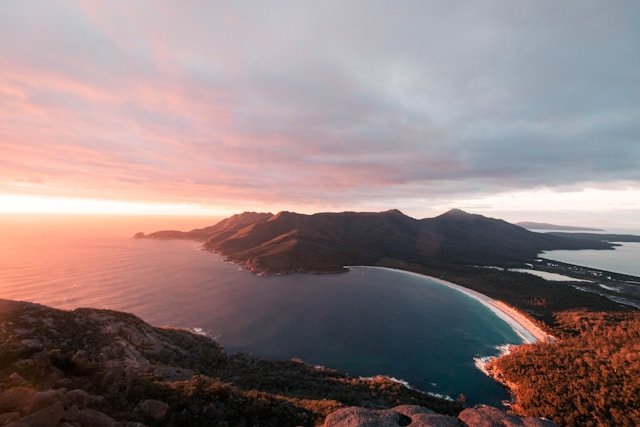
The curved beach lies between granite headlands on the eastern side of the Freycinet Peninsula. Visitors can view it from above, descend to the beach or incorporate it into a longer circuit depending on their experience and available time.
Wineglass Bay Lookout
The Wineglass Bay Lookout is the most popular shorter walking option.
Current Tasmania Parks and Wildlife Service information lists the walk at approximately 2.6 kilometres return, generally taking 1 to 1.5 hours, and grades it Grade 3.
The track involves a sustained climb and many steps. Walking times are guides rather than targets, and visitors should allow additional time for rest, crowds and time at the viewpoint.
Walking to Wineglass Bay Beach
Continuing down from the saddle turns the outing into a more substantial walk.
Current Parks information lists the Wineglass Bay return walk at approximately 6 kilometres and 2.5 to 3.5 hours, Grade 3.
The descent to the beach includes many steps, and the climb back should be considered before continuing below the lookout.
Wineglass Bay is unpatrolled. Swimming decisions should be based on actual conditions, swimming ability and local safety information.
Wineglass Bay & Hazards Beach Circuit
Visitors seeking a longer Freycinet walk can continue across the peninsula towards Hazards Beach before returning through the western side.
Current Parks information lists the circuit at approximately 11 kilometres, normally taking 4 to 5 hours, and classifies it as a Grade 4 walk.
Carry sufficient water and food, allow adequate daylight and check current weather and track conditions before departing.
Mount Amos
Mount Amos offers a dramatic elevated perspective over Wineglass Bay, but it is substantially more demanding than the standard lookout track.
The route includes very steep granite slabs and scrambling. Wet rock can become extremely slippery, making conditions an important part of the decision to attempt the walk.
Mount Amos should be treated as a challenging mountain walk for appropriately experienced and prepared visitors rather than as an alternative viewpoint suitable for everyone.
Coles Bay
Coles Bay is the main settlement beside Freycinet National Park and one of the most convenient bases for exploring the peninsula.
The township sits beneath the Hazards on Great Oyster Bay, giving it one of the most distinctive settings on the East Coast.
Staying locally is particularly useful when Freycinet is a major priority. It reduces the need for a significant drive before beginning a walk and provides more flexibility if weather changes during the day.
Coles Bay or Swansea?
Both can work, but they serve slightly different itineraries.
Coles Bay is generally the stronger choice for travellers whose priority is Freycinet National Park. Swansea can suit visitors who want a quieter coastal town and are comfortable with additional driving to the park.
Rather than choosing accommodation purely by price, consider what you plan to do first the following morning.
Bicheno
Bicheno sits north of Freycinet and is one of the most useful overnight stops on an East Coast Tasmania road trip.
The town has enough of its own character to justify staying rather than simply refuelling before continuing north. Rocky coastline, beaches, short lookouts and wildlife experiences make it particularly useful for travellers looking for a coastal base outside Freycinet.
Bicheno Blowhole
The Bicheno Blowhole is formed where waves force water and air through openings in the coastal rocks.
Its appearance varies according to swell, wind and tide. Wet coastal rocks can be slippery, and waves can behave unpredictably, so visitors should remain within safe areas.
Whalers Lookout
Whalers Lookout provides an elevated perspective over Bicheno and the surrounding coast.
It is particularly useful for travellers looking for a shorter activity and helps provide geographical context for the beaches and rocky shoreline around town.
Little Penguins
Little penguins are closely associated with Bicheno and return to coastal nesting areas after spending time at sea.
Visitors hoping to see penguins should follow responsible viewing practices. Avoid flash photography, bright lights and approaching birds closely, and follow guidance from legitimate wildlife operators.
Wildlife sightings are never guaranteed and should be treated as encounters with wild animals rather than scheduled entertainment.
Redbill Beach
Redbill Beach provides a long stretch of coast close to Bicheno and is useful for walking, relaxing or adding an uncomplicated beach stop to the itinerary.
Swimming conditions should be judged locally because many Tasmanian beaches are unpatrolled and water can be cold even when the weather is warm.
How Long to Stay in Bicheno
One night works well within a moving East Coast itinerary.
Two nights can be useful for travellers wanting wildlife experiences, beaches and a slower day, or for those using Bicheno as an alternative base for Freycinet.
Scamander & the Northern Coast
The coast between Bicheno and St Helens receives less attention than Freycinet and the Bay of Fires, but it is an important part of the East Coast journey.
Small settlements, beaches and river mouths break up the drive and provide opportunities to stop without turning every day into another major attraction.
Scamander
Scamander lies beside the Scamander River and the coast south of St Helens.
The surrounding area is associated with beaches, fishing and surfing and can suit travellers looking for a quieter base on the northern East Coast.
This stretch illustrates why the East Coast should not be reduced to two headline destinations. The space between Freycinet and the Bay of Fires contains its own beaches and communities, and those places become easier to appreciate when the itinerary is not tightly scheduled.
St Helens
St Helens is the largest town on Tasmania’s north-east coast and one of the most practical bases for exploring the northern end of an East Coast Tasmania road trip.
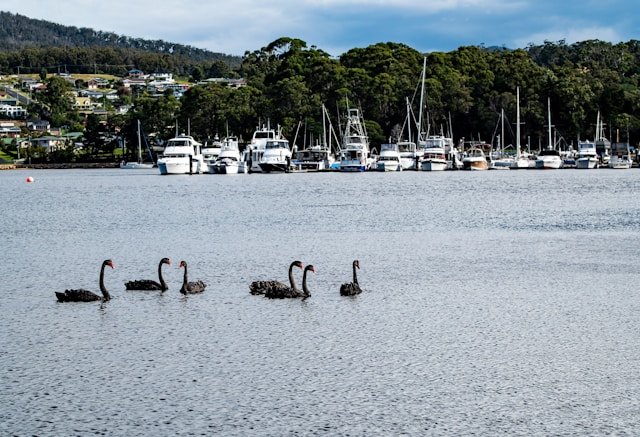
The town provides accommodation, food, fuel and other services, making it particularly useful before or after visiting the Bay of Fires.
Fishing & Seafood
Fishing has long been connected with St Helens and remains visible around the harbour and local food scene.
Seafood availability varies according to season, supply and individual businesses, so visitors should avoid assuming that every species will be available throughout the year.
Mountain Biking
The wider St Helens area has also developed into an important mountain-biking destination.
Travellers visiting specifically to ride should check current trail status, weather, shuttle or hire arrangements and any closures before building the day around a particular trail.
St Helens as a Base
St Helens works particularly well for travellers who want to explore the Bay of Fires without moving accommodation every night.
It also provides a natural transition point. From St Helens, travellers can continue around the north-east or turn inland towards Launceston and North Tasmania.
Bay of Fires
The Bay of Fires is one of Tasmania’s most recognisable coastal regions.
Its visual identity comes from white beaches, turquoise water and granite boulders frequently covered in vivid orange lichen. One of the most important things to understand before visiting is that the Bay of Fires is not one beach or one lookout.
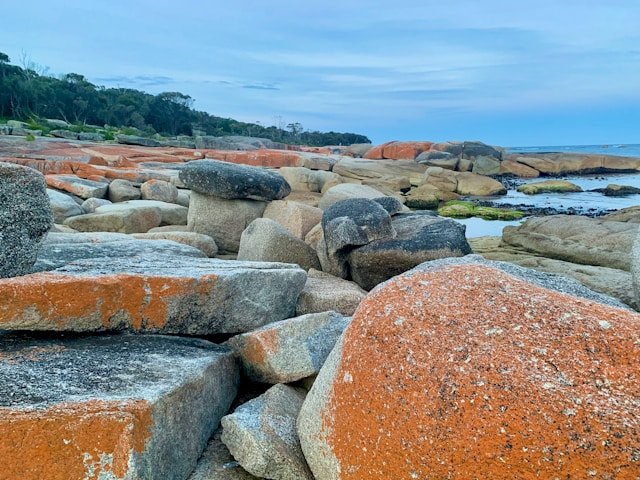
The broader Bay of Fires coastline extends from Binalong Bay in the south towards larapuna / Eddystone Point in the north. The northern section from around the mouth of the Ansons River towards larapuna / Eddystone Point lies within Mount William National Park.
This means the experience changes according to how far north you travel and which protected area you are entering.
Binalong Bay
Binalong Bay marks the southern end of the Bay of Fires and is one of the easiest places from which to begin exploring.
The settlement sits beside a long beach framed by granite and clear water. Its proximity to St Helens makes it straightforward to visit on a day trip, while staying locally provides greater access outside the busiest daytime period.
The Gardens
The Gardens lies farther north and is known for granite formations, rocky shoreline and coastal scenery.
The road between Binalong Bay and The Gardens provides access to several beaches and coastal stopping areas, making this section particularly suitable for slow exploration rather than driving directly to one predetermined viewpoint.
Swimcart Beach & Coastal Camping
Swimcart Beach is one of several camping areas along the Bay of Fires Conservation Area.
Camping within the conservation area is permitted only in designated campgrounds. Facilities vary between sites, and fire restrictions or other conditions may apply.
Travellers planning to camp should check current Tasmania Parks and Wildlife Service information rather than assuming an attractive coastal pull-off is available for overnight use.
Mount William National Park & larapuna / Eddystone Point
The northern Bay of Fires coastline extends into Mount William National Park towards larapuna / Eddystone Point.
This is a more substantial extension than simply travelling between St Helens and Binalong Bay. Visitors continuing into the national park should allow additional driving time and check current park-entry and access requirements.
How Long Do You Need at the Bay of Fires?
A half-day can provide a useful introduction to Binalong Bay and nearby beaches.
A full day allows more time to explore the coastline towards The Gardens without turning every stop into a few rushed photographs.
Two days can suit visitors interested in camping, photography, beaches or exploring farther north.
For detailed planning, continue to our dedicated Bay of Fires Tasmania guide.
Best Beaches on Tasmania’s East Coast
Beaches are one of the defining features of East Coast Tasmania, but they vary considerably in character.
Some sit inside sheltered bays, others face the open Tasman Sea, and several are surrounded by granite, coastal heath or national park.
Rather than trying to stop at every beach marked on a map, choose a few that complement your route and the type of experience you want.
Wineglass Bay
Wineglass Bay is the region’s most recognisable beach, but reaching the sand requires more effort than viewing it from the lookout.
It is best approached as part of a walking experience rather than a developed beach day. The beach is unpatrolled, and visitors need to climb back out after descending from the saddle.
Friendly Beaches
Friendly Beaches provides long, open coastline north of the main Freycinet Peninsula visitor area.
The scenery is expansive and comparatively undeveloped, but the beach is unpatrolled and conditions can be exposed.
Redbill Beach
Redbill Beach near Bicheno is convenient for coastal walking and works well as part of a slower day around town.
It does not require a major detour or national-park excursion, which can make it especially useful in an itinerary already containing several longer walks.
Scamander & Beaumaris Beaches
The coast around Scamander and Beaumaris contains long beaches facing the Tasman Sea.
Surfing, fishing and beach walking are part of the character of this section, and the beaches provide easy opportunities to break the drive between Bicheno and St Helens.
Binalong Bay
Binalong Bay provides one of the most accessible introductions to Bay of Fires scenery.
White sand, granite and clear water make it visually distinctive, while its closeness to St Helens makes it easy to include without changing accommodation.
Beaches Towards The Gardens
The road north from Binalong Bay provides access to additional beaches, granite outcrops and coastal stopping areas.
This part of the East Coast is particularly suited to unhurried exploration rather than searching for one exact social-media viewpoint.
Which East Coast Beach Should You Choose?
- For an iconic landscape: Wineglass Bay.
- For a long national-park coastline: Friendly Beaches.
- For an easy Bicheno stop: Redbill Beach.
- For open surf coastline: Scamander and Beaumaris.
- For Bay of Fires scenery: Binalong Bay and the coast towards The Gardens.
Many of these beaches are unpatrolled. Water temperatures, rips, swell and drop-offs vary, so swimming conditions should always be assessed locally.
Best Walks & Outdoor Experiences on the East Coast
East Coast Tasmania offers outdoor experiences ranging from very short boardwalks to demanding granite climbs and multi-hour circuits.
Walking difficulty should not be judged by distance alone. Steep terrain, heat, exposed coastline and rapidly changing weather can make relatively short routes much more demanding than expected.
Wineglass Bay Lookout
The Wineglass Bay Lookout remains the best-known short walk in the region.
Its popularity can mean busy parking areas and more people on the track during peak periods. Staying nearby can make an earlier start easier.
Wineglass Bay & Hazards Beach Circuit
The Hazards Beach circuit provides a fuller experience of the Freycinet Peninsula than the lookout alone.
The route combines Wineglass Bay, the isthmus and the western side of the peninsula into a Grade 4 circuit. Allow enough food, water, daylight and weather margin before setting out.
Cape Tourville
Cape Tourville is a useful short alternative for travellers who want coastal views without a steep climb.
The developed elevated circuit can be combined with other Freycinet stops and is particularly convenient for families or visitors with limited time.
Mount Amos
Mount Amos is a demanding granite climb rather than an ordinary lookout walk.
It involves steep scrambling and exposed rock surfaces. Wet conditions can make the granite dangerously slippery, so visitors should be prepared to choose another walk when conditions are unsuitable.
Maria Island Walks
Maria Island provides walking experiences ranging from routes around Darlington to longer journeys into more remote parts of the island.
For day visitors, ferry departure time creates a firm limit, so choose walking distances that leave a comfortable return margin.
Bay of Fires Coastal Walking
Much of the Bay of Fires can be enjoyed through informal beach and coastal walking rather than one formal hiking route.
Remain conscious of tides, exposed rocks, changing weather and where you left your vehicle, particularly when walking long stretches of beach.
Kayaking & Water-Based Experiences
Freycinet and other parts of the East Coast can also be experienced from the water through kayaking, boating, fishing and guided marine experiences.
Weather and sea conditions are more important than the appearance of the coastline from shore. Travellers without local knowledge or suitable equipment may prefer organised experiences.
Wildlife on Tasmania’s East Coast
Wildlife is part of everyday travel on the East Coast rather than something confined to dedicated attractions.
Wallabies and other native animals may appear around national parks, roads and quieter accommodation areas. Seabirds use beaches and rocky headlands, while dolphins and migrating whales may sometimes be observed offshore.
The most important rule is simple: wildlife remains wild. Do not feed animals, chase them for photographs or interfere with their movement.
Little Penguins
Little penguins occur at several points along Tasmania’s eastern coastline, with Bicheno particularly well known for evening viewing experiences.
Bright lights and flash photography can disturb penguins returning from the sea. Follow responsible viewing guidance and avoid approaching burrows or blocking pathways between the water and nesting areas.
Wombats on Maria Island
Maria Island is especially well known for wombat sightings.
Seeing an animal relatively close can be memorable, but visitors should resist moving closer simply for a photograph. Give wombats enough space to feed and travel naturally.
Whales, Dolphins & Seals
The East Coast can provide opportunities to see whales during seasonal migrations, although sightings are never guaranteed.
The Bay of Fires forms part of Tasmania’s East Coast Whale Trail, and dolphins and seals may also be observed along sections of coastline.
Birdlife
Beaches, wetlands, forests and rocky headlands support a wide variety of birdlife.
Some shorebirds nest directly on or near beaches. Follow signs, respect seasonal closures and avoid disturbing nesting areas even when the beach appears otherwise empty.
Wildlife on East Coast Roads
Wildlife is also an important road-safety consideration.

Animals can be particularly active around dawn, dusk and at night. Where practical, organise driving days so long rural sections do not regularly need to be completed after dark.
Food, Seafood & Wine on Tasmania’s East Coast
Food and wine fit naturally into an East Coast road trip because producers are distributed throughout the region rather than concentrated in a single city.
Seafood, oysters, cool-climate wine, berries and other regional produce can all become part of the journey.
Opening days and seasonal availability vary, so avoid building an inflexible itinerary around several businesses without checking current trading information.
Seafood
Fishing communities including Triabunna, Bicheno and St Helens reflect the East Coast’s relationship with the sea.
Seafood availability depends on season, supply and individual businesses. If trying a particular product is important to you, check before making a substantial detour.
Oysters
Oysters are associated with several parts of Tasmania’s eastern coastline and are among the foods many travellers seek out while touring the region.
Direct sales and opening arrangements vary between producers, especially outside peak visitor periods.
East Coast Wine
Vineyards occur across parts of the central East Coast, including districts around Swansea, Cranbrook and Freycinet.
The cool maritime climate supports varieties suited to Tasmanian conditions, and cellar-door visits can fit naturally into a coastal driving day.
If wine tasting is part of the itinerary, organise safe transport and do not combine multiple tastings with driving.
Driving Tasmania’s East Coast
Driving is the easiest way for many visitors to explore East Coast Tasmania because towns, national parks and beaches are distributed along a long coastal corridor.
The main road is generally straightforward compared with some of Tasmania’s mountainous western routes, but that does not mean the East Coast should be treated as a fast drive.
Side roads, beaches, viewpoints and towns regularly add time to a journey—and that extra time is often the point of travelling the coast.
Hobart to the East Coast
Travellers beginning in Hobart generally head north-east towards Orford and Triabunna before continuing towards Swansea and Freycinet.
This makes the East Coast an easy extension of South Tasmania.
Rather than visiting Freycinet and returning to Hobart, a longer itinerary can continue north through Bicheno and St Helens before finishing around Launceston.
Launceston to the East Coast
The route works equally well in reverse for travellers beginning around Launceston.
Approaching from the north allows the Bay of Fires and St Helens to become the first major coastal destinations before travelling south through Bicheno, Freycinet and Swansea towards Hobart.
Do You Need a Car?
A car is not the only way to visit the East Coast, but it provides substantially more flexibility.
Organised tours and selected transport services can reach some major destinations, while a self-drive itinerary allows spontaneous beach, town and lookout stops.
If you are flying into Tasmania and planning a self-drive route, you can compare car rental options in Tasmania after deciding whether Hobart or Launceston makes the better starting point. Check each rental provider’s current road-use, insurance and one-way hire conditions before booking.
One-Way East Coast Road Trips
A one-way journey between Hobart and Launceston can be one of the most efficient ways to travel the East Coast.
It avoids returning along the same coastline simply because your flight leaves from the original city.
One-way rental charges can apply, so compare total trip cost rather than assuming the geographically simplest route will automatically be the cheapest.
Driving at Dawn, Dusk & Night
Where practical, avoid making night driving a routine part of an East Coast itinerary.
Native animals can move onto rural roads unexpectedly, especially around dawn and dusk. Plan enough daylight margin that a long beach stop does not automatically turn the final hour of every day into a dark rural drive.
Fuel & Services
Fuel is available in the larger towns along the East Coast, but it is still sensible not to let the tank become unnecessarily low.
Opening hours and individual service availability can change, particularly in smaller communities and outside busy periods.
Campervans & Camping
The East Coast works well for campervan and caravan touring, but freedom to travel does not mean freedom to camp anywhere.
Use legal campgrounds and follow current reserve, national-park and council requirements.
Travellers planning a longer camping trip may find an Australian camping and road-trip guide useful when researching overnight stops. Always confirm current access and rules with the relevant campground or land manager.
Best Time to Visit East Coast Tasmania
The East Coast can be explored year-round, and the best season depends on what you want from the trip.
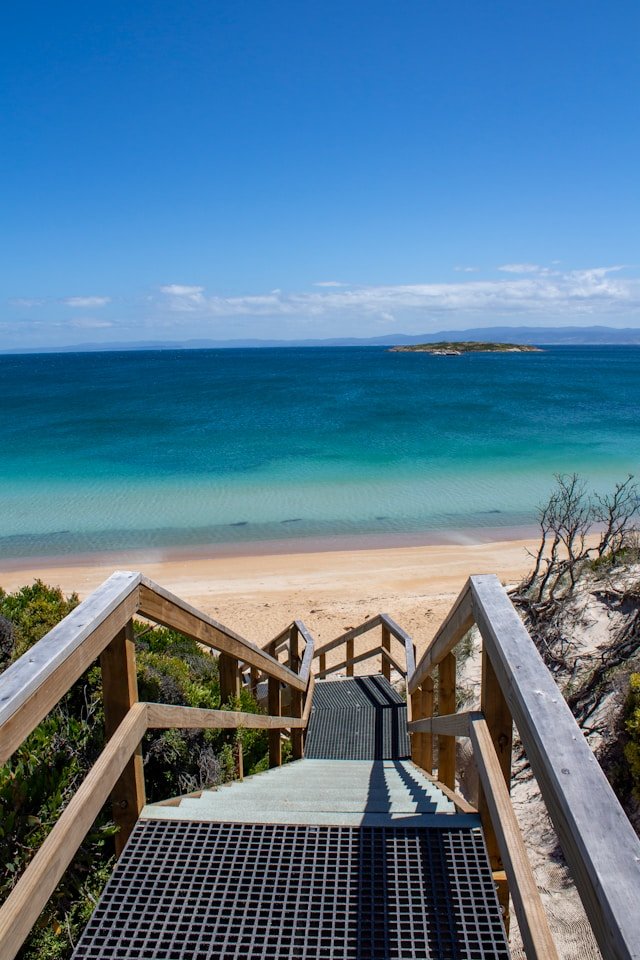
Summer: December to February
Summer offers long daylight hours and generally warmer conditions, making it popular for beaches, walking, kayaking and camping.
It is also one of the busiest periods. Accommodation and popular experiences can become harder to secure around holiday dates.
Warm weather is not guaranteed. Coastal wind, rain and cooler conditions remain possible even during summer.
Autumn: March to May
Autumn can be well suited to walking and road trips as peak summer demand begins to ease.
Daylight becomes shorter as the season progresses, so later autumn itineraries should allow more margin before dark.
Winter: June to August
Winter provides a quieter version of East Coast Tasmania.
Beaches, wildlife, food, walking and photography remain worthwhile even when swimming is less appealing.
Shorter daylight hours make route planning more important, particularly when accommodation is in another town at the end of the day.
Spring: September to November
Spring brings increasing daylight, flowering vegetation and active wildlife, but weather can remain highly variable.
Carry layers and avoid building the entire itinerary around the assumption of warm, settled conditions.
Where to Stay on Tasmania’s East Coast
Accommodation strategy has a major effect on how much driving you do.
Because the East Coast is relatively linear, staying progressively along the route usually makes more sense than repeatedly returning to one distant base.
Orford or Triabunna
These towns are particularly useful when Maria Island is part of the itinerary or when you want to divide the journey from Hobart to Freycinet.
Swansea
Swansea suits travellers looking for a quieter central East Coast base with Great Oyster Bay views.
Coles Bay
Coles Bay is the most practical choice when Freycinet National Park is the main priority.
Bicheno
Bicheno works well as a central coastal base, especially for travellers combining wildlife experiences with Freycinet and the northern coast.
Scamander
Scamander can suit travellers wanting a quieter stay between Bicheno and St Helens.
St Helens
St Helens provides the broadest range of services around the northern East Coast and is particularly useful for Bay of Fires day trips.
Binalong Bay
Binalong Bay suits travellers who prioritise immediate access to the Bay of Fires coastline and prefer a quieter beach setting.
Once your route is reasonably settled, you can compare East Coast Tasmania accommodation and judge each option according to the following day’s activities as well as price.
During peak periods, smaller destinations may have far less accommodation capacity than Hobart or Launceston, so important nights around Freycinet or the Bay of Fires can be worth securing earlier.
Getting Around East Coast Tasmania
Most independent travellers explore the East Coast by car, campervan or caravan.
The road network is not especially complicated, but several important destinations require leaving the main highway.
Travelling Without a Car
It is possible to visit selected East Coast destinations without driving through organised tours and transport services.
The main limitation is flexibility. Travellers without a car should confirm current transport schedules before booking accommodation in smaller towns.
Mobile Coverage
Mobile coverage is generally strongest around towns and populated corridors but can weaken or disappear in national parks and less populated coastal areas.
Download offline maps and save booking information locally before relying on mobile reception throughout the entire route.
International travellers who want mobile data can check eSIM options for Australia before travelling. An eSIM does not remove physical gaps in network coverage, so offline navigation remains useful.
Flying Into Hobart or Launceston?
Both airports can work well for an East Coast Tasmania trip.
Hobart naturally suits a south-to-north route beginning around Orford and Triabunna, while Launceston works well for travellers starting near St Helens and moving south.
If flights are not yet booked, you can compare flights to Tasmania using both Hobart and Launceston before deciding which direction gives your itinerary the better flow.
East Coast Tasmania Itineraries
The East Coast can be experienced in anything from a short overnight journey to a week-long road trip.
The itineraries below are flexible frameworks rather than schedules that need to be followed exactly. Weather, ferry times, walking plans and accommodation availability can all change the best order in practice.
2-Day East Coast Tasmania Itinerary
Two days is enough only for a focused introduction. Concentrate on Freycinet and the central East Coast rather than trying to include both Maria Island and the Bay of Fires.
- Day 1 – Hobart to Freycinet: Travel through Orford and Swansea towards Coles Bay, allowing time for one or two coastal stops.
- Day 2 – Freycinet: Explore Wineglass Bay Lookout and selected shorter attractions before continuing towards your next destination.
3-Day East Coast Tasmania Itinerary
Three days provides a better introduction and allows Freycinet to be combined with part of the coastline north or south.
- Day 1 – Hobart to Swansea or Coles Bay: Travel through Orford and Triabunna, stopping along the southern East Coast.
- Day 2 – Freycinet National Park: Spend a full day exploring Wineglass Bay and other parts of the peninsula.
- Day 3 – Bicheno and the northern coast: Visit Bicheno before continuing towards St Helens or Launceston.
If Maria Island or a full Bay of Fires day is essential, add another day rather than compressing the route further.
5-Day East Coast Tasmania Road Trip
Five days is one of the strongest lengths for an East Coast road trip because the coast begins to feel like a region rather than a sequence of overnight stops.
- Day 1 – Hobart to Orford or Triabunna: Begin slowly and explore the southern gateway.
- Day 2 – Maria Island or Swansea: Visit Maria Island if it is a priority, or continue around Great Oyster Bay.
- Day 3 – Freycinet National Park: Dedicate a full day to Wineglass Bay and surrounding Freycinet attractions.
- Day 4 – Bicheno to St Helens: Explore Bicheno and the coastline through Scamander.
- Day 5 – Bay of Fires: Spend time around Binalong Bay and The Gardens before continuing inland towards Launceston or another northern destination.
If Maria Island is included, confirm the ferry first because it creates the firmest timing commitment in the itinerary.
7-Day East Coast Tasmania Itinerary
A full week allows the coast to be explored at a much more relaxed pace and provides room for changing weather.
- Day 1 – Hobart to Orford or Triabunna: Explore the southern East Coast without rushing north.
- Day 2 – Maria Island: Spend the day walking or cycling according to your interests and confirmed ferry times.
- Day 3 – Swansea and Great Oyster Bay: Travel slowly north and stay around Swansea or continue towards Coles Bay.
- Day 4 – Freycinet National Park: Explore Wineglass Bay and several shorter destinations.
- Day 5 – Freycinet or Bicheno: Use a second day for another walk, Friendly Beaches, kayaking or Bicheno.
- Day 6 – Bicheno to St Helens: Travel through Scamander and the northern East Coast.
- Day 7 – Bay of Fires: Explore Binalong Bay and the coastline north before continuing towards North Tasmania.
Hobart to Launceston via the East Coast
One of the cleanest first-time routes is:
Hobart → Orford / Triabunna → Swansea → Freycinet → Bicheno → St Helens → Bay of Fires → Launceston.
This route avoids unnecessary backtracking and connects naturally with the broader Travel Tasmania itinerary structure.
At the northern end, continue with our North Tasmania Travel Guide or Launceston guide. At the southern end, our South Tasmania Travel Guide and Hobart guide can help extend the trip.
Once you know roughly how many nights you want in each area, you can compare East Coast Tasmania accommodation before fixing every sightseeing stop. Availability may influence whether Swansea, Coles Bay, Bicheno or St Helens becomes the most practical overnight base.
Practical East Coast Tasmania Travel Tips
Do Not Schedule Every Hour
The East Coast is particularly suited to spontaneous stops.
If every hour is allocated before the trip begins, an unexpected beach, lookout or small town becomes an inconvenience rather than part of the experience.
Allow More Time Around Freycinet
Parking, walking time, weather and the amount of time spent at viewpoints can all extend a Freycinet visit.
If Freycinet is a major priority, staying nearby and allowing a full day is usually more comfortable than squeezing it between two long drives.
Book Maria Island Ferry Travel Before Building the Day
Maria Island is different from most other East Coast attractions because the ferry creates fixed departure and return times.
Current Parks advice states that ferry bookings are essential, so secure the crossing before tightly scheduling the rest of that day’s activities.
Carry Layers
Even in summer, coastal wind and changing weather can make conditions feel much cooler than expected.
A waterproof outer layer and an additional warm layer are useful throughout much of the year.
Carry Water on Walks
Do not assume drinking water will be available along every route.
Carry enough water for the conditions and length of your walk, particularly during exposed or warmer conditions.
Respect Unpatrolled Beaches
Many East Coast beaches do not have lifeguard patrols.
Assess the water carefully rather than assuming that a calm-looking beach is free from rips, sudden depth changes or other hazards.
Check Fire Restrictions When Camping
Fire restrictions can apply during high-risk periods.
Follow current official fire information and campground signage rather than assuming a fire is permitted because an old fireplace or fire ring is present.
Download Offline Maps
Mobile reception is not guaranteed across every national park, beach or secondary road.
Offline maps are particularly useful when a day includes several small coastal access roads.
Book What Needs Booking, Leave the Rest Flexible
Important accommodation, Maria Island ferry travel and limited-capacity experiences may justify booking ahead.
Ordinary beach stops, viewpoints and short breaks are better left flexible where possible.
For broader route planning, return to our complete guide to planning a trip to Tasmania.
Frequently Asked Questions About East Coast Tasmania
The East Coast is relatively straightforward once you understand its geography, but first-time visitors often ask similar questions about trip length, Freycinet, driving and the Bay of Fires.
How many days do you need for East Coast Tasmania?
Three days provides a basic introduction, but four to five days is more comfortable for Freycinet, Bicheno and the northern coast. A full week allows Maria Island, Freycinet, smaller coastal stops and the Bay of Fires to be explored without rushing.
Can you do Tasmania’s East Coast in two days?
Yes, but only as a focused trip. With two days, concentrate on Freycinet and the central East Coast rather than trying to include Maria Island and the Bay of Fires as well.
What are the main places to visit on East Coast Tasmania?
Freycinet National Park, Wineglass Bay, Bicheno, St Helens and the Bay of Fires are among the best-known destinations. Travellers with more time can add Maria Island, Swansea, Scamander and quieter beaches between the major stops.
Is Wineglass Bay worth visiting?
Wineglass Bay is one of the region’s defining landscapes and is particularly worthwhile for travellers who enjoy walking and coastal scenery. The standard lookout provides the classic elevated view, while longer routes reach the beach and other parts of the peninsula.
How long is the Wineglass Bay Lookout walk?
Current Tasmania Parks and Wildlife Service information lists the Wineglass Bay Lookout walk at approximately 2.6 kilometres return and 1 to 1.5 hours, Grade 3.
How long is the walk to Wineglass Bay Beach?
Current Parks information lists the Wineglass Bay return walk at approximately 6 kilometres and 2.5 to 3.5 hours, Grade 3.
Do you need a parks pass for Freycinet National Park?
Yes. A valid Tasmania parks pass is required for entry to Freycinet National Park. Pass types and prices can change, so check current Tasmania Parks and Wildlife Service information before travelling.
Is the Bay of Fires one beach?
No. The Bay of Fires refers to a broader stretch of Tasmania’s north-east coastline. Binalong Bay marks the southern end, while the coastline extends north towards larapuna / Eddystone Point.
Do you need a parks pass for the Bay of Fires?
Not for every section. The southern Bay of Fires Conservation Area is separate from the northern section within Mount William National Park. A valid parks pass is required when visiting the national park.
Can you camp at the Bay of Fires?
Yes, camping is available at designated campgrounds in parts of the Bay of Fires Conservation Area. Camping is not permitted simply anywhere along the coastline, and facilities and fire conditions vary by campground.
Can you swim at the Bay of Fires?
Swimming is possible at suitable locations when conditions permit, but many beaches are unpatrolled and can have rips or sudden depth changes. Assess conditions carefully before entering the water.
Is Bicheno worth staying overnight?
Yes. Bicheno works particularly well for travellers interested in wildlife, beaches and breaking the journey between Freycinet and St Helens. One night works within a moving itinerary, while two nights allows a slower visit.
Should I stay in Coles Bay or Bicheno?
Coles Bay is more convenient if Freycinet National Park is the main priority. Bicheno has its own beaches and wildlife experiences and can function as a broader coastal base. Travellers with enough time may benefit from staying in both.
Should I stay in St Helens or Binalong Bay?
St Helens offers more services and a practical base for the wider north-east. Binalong Bay provides more immediate access to Bay of Fires scenery and suits travellers seeking a quieter coastal setting.
Can you drive from Hobart to Launceston via the East Coast?
Yes. A route through Orford, Swansea, Freycinet, Bicheno and St Helens can connect Hobart with northern Tasmania. It should be treated as a multi-day road trip rather than a fast alternative to the direct inland route.
Do you need a 4WD for East Coast Tasmania?
No. A conventional vehicle is suitable for the main East Coast touring route and major towns. Some secondary or access roads may be unsealed, so check road conditions and rental restrictions before leaving sealed routes.
Can you visit Maria Island as a day trip?
Yes. Maria Island is commonly visited as a day trip from Triabunna. Confirm ferry bookings first and choose walking or cycling distances that fit comfortably between departure times.
Can you take a car to Maria Island?
Private visitor cars are not used to explore Maria Island. Visitors generally travel around the island on foot or by bicycle after arriving by ferry.
When is the best time to visit East Coast Tasmania?
The region can be visited throughout the year. Summer offers longer days and warmer beach conditions, autumn can suit walking and road trips, winter is quieter, and spring combines longer daylight with variable weather and wildlife activity.
Is East Coast Tasmania suitable for families?
Yes. Beaches, wildlife, shorter walking tracks and small towns provide options for families with different activity levels. Staying two nights in selected bases can also reduce unnecessary packing and driving.
Is East Coast Tasmania worth visiting in winter?
Yes. Winter offers quieter towns and national parks and can suit walking, food, wildlife and photography. Days are shorter and conditions cooler, so leave more daylight margin for driving.
Explore East Coast Tasmania at a Slower Pace
East Coast Tasmania is easy to reduce to a small collection of famous images.
Wineglass Bay deserves its place in a first-time itinerary. The orange-lichen-covered granite of the Bay of Fires is memorable. Maria Island offers an experience unlike the mainland coast, and Bicheno provides wildlife and beaches between the region’s larger destinations.
But the East Coast becomes more interesting when the spaces between those places are given time as well.
A quiet stop beside Great Oyster Bay, an unexpected beach, an extra night in Bicheno or a slower morning around St Helens may become as memorable as the destinations that originally brought you to the region.
If you are continuing north, use our North Tasmania Travel Guide and Launceston guide. If you are travelling south, continue with our South Tasmania Travel Guide and Hobart guide.
For the complete island-wide picture, return to our Travel Tasmania guide. If you need help deciding how many regions to combine, use our Tasmania trip planning guide.
Affiliate disclosure: Some links on this page are affiliate links. If you make a booking or purchase through one of these links, Island Files Tasmania may earn a commission at no additional cost to you. We include affiliate links only where they may genuinely help with trip planning.
Planning note: Road conditions, ferry arrangements, weather, national park requirements, track access, camping rules and attraction operations can change. Confirm important information with the relevant official authority or operator before travelling, particularly when undertaking longer walks, visiting national parks or travelling into less populated coastal areas.