Tasmania Travel Guide 2026: Best Places to Visit, Things to Do & Travel Tips

Tasmania Travel Guide

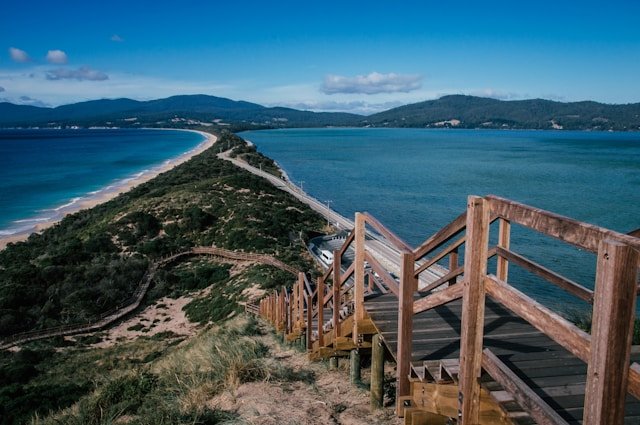
Tasmania is Australia’s island state, located approximately 240 kilometres south of the mainland across Bass Strait. Known for its dramatic landscapes, pristine beaches, ancient rainforests, rugged mountains and unique wildlife, Tasmania offers some of the most spectacular travel experiences in the Southern Hemisphere.

Despite its relatively small size, Tasmania is packed with diverse regions, each offering its own distinct character. From the white sands of the East Coast to the wild wilderness of the West Coast, travellers can experience everything from world-class hiking and wildlife encounters to historic towns and award-winning food and wine.

Whether you’re planning a short getaway, a road trip around the island or an extended holiday, this Tasmania Travel Guide covers everything you need to know before visiting.

Why Visit Tasmania?

Tasmania is often described as one of Australia’s best-kept secrets. More than 40 percent of the island is protected through national parks, reserves and World Heritage wilderness areas.

Visitors come to Tasmania for:

  • Spectacular beaches
  • Ancient rainforests
  • Mountain landscapes
  • Unique wildlife
  • Coastal road trips
  • Historic towns
  • Food and wine experiences
  • Hiking and outdoor adventures
  • Fresh air and natural beauty

Tasmania also offers a slower pace of life compared to many mainland destinations, making it ideal for travellers seeking both adventure and relaxation.

Explore Tasmania By Region

Each region of Tasmania offers something completely different.

East Coast Tasmania

Tasmania’s East Coast is famous for its white sand beaches, turquoise waters and coastal scenery.

Popular destinations include:

  • Wineglass Bay
  • Freycinet National Park
  • Bay of Fires
  • Bicheno
  • St Helens
  • Coles Bay
  • Scamander

The East Coast is one of the most popular regions for beach lovers, photographers and road trippers.

South Tasmania

South Tasmania combines natural beauty with history and culture.

Popular destinations include:

  • Hobart
  • Kunanyi / Mount Wellington
  • Bruny Island
  • Port Arthur
  • Richmond
  • Huon Valley
  • Tahune AirWalk

The region is home to Tasmania’s capital city and many of the state’s most famous attractions.

North Tasmania

North Tasmania is known for its wineries, historic towns and beautiful countryside.

Highlights include:

  • Launceston
  • Tamar Valley
  • George Town
  • Low Head
  • Bridestowe Lavender Estate
  • Beaconsfield
  • Devonport

The region offers a blend of nature, food, wine and heritage experiences.

North West Tasmania

The North West is filled with coastal scenery, hidden gems and charming seaside towns.

Top attractions include:

  • Stanley
  • The Nut
  • Burnie
  • Wynyard
  • Table Cape
  • Boat Harbour Beach
  • Rocky Cape National Park

This region is ideal for travellers seeking a quieter Tasmania experience.

West Coast Tasmania

Tasmania’s West Coast is one of Australia’s last true wilderness frontiers.

Must-visit destinations include:

  • Strahan
  • Queenstown
  • Tarkine Wilderness
  • Gordon River
  • Henty Dunes
  • Montezuma Falls
  • Zeehan

The West Coast offers dramatic landscapes, rich mining history and unforgettable adventures.

Central Highlands Tasmania

The Central Highlands form Tasmania’s alpine heart.

Popular attractions include:

  • Great Lake
  • Lake St Clair
  • Walls of Jerusalem National Park
  • Bothwell
  • Arthurs Lake
  • Highland Lakes region

The area is famous for fishing, hiking and wilderness experiences.

Best Places to Visit in Tasmania

If you’re visiting Tasmania for the first time, these destinations should be high on your list:

Hobart

Tasmania’s capital city combines heritage, culture, food and waterfront charm.

Wineglass Bay

One of Australia’s most iconic beaches and a highlight of Freycinet National Park.

Bay of Fires

Famous for orange granite boulders, crystal-clear water and pristine white beaches.

Cradle Mountain

One of Australia’s most recognised natural landmarks and a world-class hiking destination.

Bruny Island

Known for coastal scenery, wildlife and local produce.

Tarkine Wilderness

Home to Australia’s largest cool-temperate rainforest.

Stanley

A picturesque coastal town dominated by the volcanic formation known as The Nut.

Port Arthur

One of Australia’s most important historic sites and a former convict settlement.

Best Things to Do in Tasmania

Tasmania offers experiences for every type of traveller.

Popular activities include:

  • Hiking national parks
  • Exploring beaches
  • Wildlife spotting
  • Scenic road trips
  • Food and wine tasting
  • Mountain climbing
  • Photography
  • Camping
  • Fishing
  • Boat cruises

Tasmania Road Trips

Road trips are one of the best ways to experience Tasmania.

Popular routes include:

Great Eastern Drive

A coastal journey through beaches, seaside towns and national parks.

Western Wilds Route

A wilderness adventure through rainforests, mountains and mining towns.

Heritage Highway

A historic drive connecting Hobart and Launceston.

Northern Touring Route

Perfect for food, wine and countryside experiences.

Tasmania’s Wildlife

Tasmania is famous for its unique wildlife.

Animals you may encounter include:

  • Tasmanian Devils
  • Wombats
  • Echidnas
  • Wallabies
  • Pademelons
  • Little Penguins
  • Fur Seals
  • Dolphins
  • Sea Eagles

Many species can be seen in the wild throughout the island.

Best Time to Visit Tasmania

Summer (December – February)

Perfect for beaches, road trips and outdoor adventures.

Autumn (March – May)

Beautiful colours, mild temperatures and fewer crowds.

Winter (June – August)

Snow on mountain peaks, cosy towns and dramatic scenery.

Spring (September – November)

Wildflowers, waterfalls and active wildlife.

Tasmania is a year-round destination, with each season offering unique experiences.

Travel Tips for Visiting Tasmania

  • Hire a vehicle for maximum flexibility.
  • Allow extra time for scenic stops.
  • Pack clothing layers in every season.
  • Book accommodation early during summer.
  • Respect wildlife and natural environments.
  • Check weather forecasts before hiking.

Frequently Asked Questions

How many days do you need in Tasmania?

A minimum of 7 to 10 days is recommended, although two to three weeks allows travellers to explore the island more thoroughly.

What is the best month to visit Tasmania?

March and April are often considered ideal due to mild weather, autumn colours and fewer crowds.

Is Tasmania worth visiting?

Absolutely. Tasmania offers some of Australia’s most beautiful landscapes, unique wildlife and unforgettable travel experiences.

Can you drive around Tasmania?

Yes. Tasmania is one of Australia’s best road trip destinations, with well-maintained roads connecting most major attractions.

Discover Tasmania

From rugged mountains and ancient rainforests to world-famous beaches and charming historic towns, Tasmania offers an incredible variety of experiences within a relatively small area. Whether you’re exploring the East Coast, venturing into the wilderness of the West Coast or discovering hidden gems in regional towns, Tasmania rewards travellers with unforgettable memories and breathtaking scenery.

Start your journey by exploring Tasmania’s regions and planning the adventure that suits you best.