
North Tasmania brings together some of the island’s most rewarding contrasts: one of Australia’s oldest cities, a long river valley lined with vineyards and orchards, historic towns, maritime heritage, beaches facing Bass Strait, fertile farmland, waterfalls, forests and mountain country rising towards Tasmania’s interior.
Launceston provides the natural centre for exploring the region. Within the city, Cataract Gorge places walking trails, cliffs, bushland and the South Esk River remarkably close to the urban centre. Beyond Launceston, the Tamar Valley follows kanamaluka / River Tamar north towards Bass Strait, connecting vineyards, small communities and historic places on both sides of the estuary.

Continue towards the coast and the character changes again. George Town and Low Head introduce Tasmania’s maritime history and the broad entrance of the Tamar estuary. West of the river, Beaconsfield and Beauty Point provide another perspective on the valley. Travel east from Launceston and agricultural country gradually gives way to Scottsdale, Bridport and the landscapes of north-east Tasmania.
For travellers interested in food and drink, North Tasmania is particularly significant. Launceston is recognised as a UNESCO Creative City of Gastronomy, while the Tamar Valley is one of Tasmania’s best-known cool-climate wine regions. Local produce, farm gates, markets, orchards, vineyards and restaurants can easily become as important to a northern itinerary as its natural attractions.
North Tasmania also works extremely well geographically. It can be explored as a destination in its own right, used as the northern stage of a Hobart-to-Launceston road trip, or connected with East Coast Tasmania, Central Highlands Tasmania and North West Tasmania.
This complete North Tasmania travel guide is designed to help you understand the region before building your itinerary. It covers Launceston, Cataract Gorge, the Tamar Valley, George Town, Low Head, Beaconsfield, Beauty Point, northern beaches, Bridport, Scottsdale, lavender country, food and wine, wildlife, walking, accommodation, driving, suggested itineraries and practical travel information.
If North Tasmania forms only one part of a larger holiday, begin with our Travel Tasmania: Complete Guide to Every Region. If you are still deciding how many days you need, where to arrive, whether to hire a car and how to combine Tasmania’s regions without spending your entire holiday driving, read our complete Tasmania trip planning guide.
Visitor planning note: Opening hours, tour schedules, road conditions, national park access, walking-track conditions, seasonal attractions and individual business operations can change. Always confirm important information directly with the relevant attraction, operator, Tasmania Parks and Wildlife Service or other official source before travelling.
Jump to North Tasmania
- North Tasmania Overview
- Where Is North Tasmania?
- Why Visit North Tasmania?
- Getting to North Tasmania
- Launceston
- Cataract Gorge
- Tamar Valley
- Tamar Valley Wine Region
- West Tamar
- Beaconsfield
- Beauty Point
- Narawntapu National Park
- East Tamar
- George Town
- Low Head
- North-East Tasmania
- Scottsdale
- Bridestowe Lavender Estate
- Bridport
- Northern Tasmania Beaches
- Food & Wine
- Wildlife
- Walking & Hiking
- North Tasmania with Families
- Best Scenic Drives
- North Tasmania Road Trip
- Best Time to Visit
- Where to Stay
- Camping & Campervans
- How Many Days Do You Need?
- Suggested North Tasmania Itineraries
- Connecting with Other Tasmania Regions
- Practical Travel Tips
- Frequently Asked Questions
North Tasmania Overview
North Tasmania occupies the northern part of the island around Launceston, the Tamar Valley and surrounding inland and coastal districts.
There is no single tourism boundary that every organisation uses in exactly the same way, so Island Files Tasmania treats North Tasmania as a practical travel-planning region rather than a rigid administrative area.
For this guide, the core region centres on Launceston and extends north along both sides of kanamaluka / River Tamar towards George Town, Low Head, Beauty Point and the Bass Strait coast. It also extends east towards Scottsdale, Bridestowe and Bridport, and west towards the landscapes that gradually transition into Tasmania’s north-west.
This distinction is useful because northern Tasmania contains several different travel environments within comparatively manageable distances. A visitor can spend the morning walking beside cliffs and bushland at Cataract Gorge, have lunch in Launceston, travel through vineyard country in the afternoon and finish the day beside the Tamar estuary.
Another day can look completely different: maritime history around Low Head, agricultural country around the north-east, lavender during the appropriate flowering season, or a coastal drive towards Bridport.
North Tasmania therefore works particularly well for travellers who prefer variety without changing accommodation every night.
What Defines North Tasmania?
Several characteristics help distinguish the region.
- Launceston provides the region’s main urban, accommodation and dining base.
- kanamaluka / River Tamar creates a natural corridor from Launceston towards Bass Strait.
- Cool-climate vineyards are spread through the Tamar Valley and surrounding districts.
- Historic settlements preserve important parts of Tasmania’s colonial, mining and maritime history.
- Northern beaches face Bass Strait and offer a different coastal environment from Tasmania’s East Coast.
- Agricultural landscapes connect vineyards, orchards, farms and small towns.
- National parks and reserves provide opportunities for wildlife watching, walking and camping.
- Road connections make the region a useful gateway to the Central Highlands, East Coast and North West Tasmania.
The result is a region that can suit a weekend escape, a food-and-wine holiday, a family trip or a longer Tasmania road trip.
Where Is North Tasmania?
North Tasmania stretches across the northern part of the island, with Launceston providing its principal city and transport hub.
Launceston sits where the North Esk and South Esk river systems meet to form kanamaluka / River Tamar. From there, the estuary runs north for roughly 70 kilometres towards Bass Strait, creating one of the defining geographic features of northern Tasmania.
The Tamar divides much of the northern touring area into convenient eastern and western routes.
The West Tamar side connects communities and attractions such as Legana, Exeter, Beaconsfield, Beauty Point and Greens Beach.
The East Tamar side provides access towards George Town and Low Head, together with vineyards, rural landscapes and smaller communities.
East of Launceston, roads lead through agricultural and forested country towards Scottsdale and Bridport. Continue farther east and the landscape eventually connects with north-east Tasmania and the Bay of Fires.
South-west of Launceston, roads rise towards the Great Western Tiers and Central Highlands Tasmania.
Travel west along the Bass Strait coast and the region gradually transitions into North West Tasmania, where Devonport, Penguin, Burnie, Wynyard and Stanley belong more naturally in a separate itinerary.
Why Visit North Tasmania?
The strongest reason to visit North Tasmania is variety.
The region does not depend on a single headline attraction. Instead, its appeal comes from combining several different experiences within one journey.
Launceston Combines City and Nature
Launceston is compact enough to explore without the scale of a large mainland Australian city, yet it offers substantial dining, accommodation, heritage and cultural options.
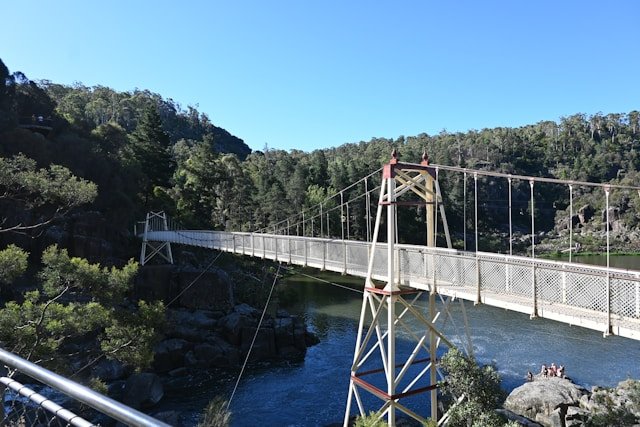
Cataract Gorge adds another dimension by placing a major natural recreation area remarkably close to the city centre.
This combination makes Launceston particularly useful for visitors who want nature without giving up restaurants, accommodation choice and urban convenience.
The Tamar Valley Rewards Slow Travel
The Tamar Valley is not best approached as a race between wineries.
Its appeal comes from the complete landscape: vineyards, orchards, river views, wetlands, historic towns, food producers and small communities distributed along both sides of the estuary.
A slower itinerary allows time to stop rather than treating each attraction as an appointment.
Food and Wine Can Shape the Entire Trip
Launceston’s UNESCO Creative City of Gastronomy designation reflects the wider importance of food culture across northern Tasmania.
The region’s cool climate supports grape varieties including pinot noir, chardonnay and sparkling-wine styles, while surrounding agricultural areas contribute fruit, vegetables, dairy, meat and other produce.
For some visitors, food and wine are supporting experiences. For others, they are the main reason to travel north.
There Is Strong Heritage Without One Single Heritage Story
Different parts of North Tasmania tell different stories.
Launceston contains substantial nineteenth-century architecture. Beaconsfield is closely associated with mining history. George Town and Low Head have strong maritime connections, while smaller towns across the region preserve agricultural and settlement history.
It Connects Easily with Other Regions
North Tasmania is also strategically positioned for a wider road trip.
You can arrive from Hobart through the Midlands, cross the high country from Central Highlands Tasmania, travel north from the East Coast, or continue west towards North West Tasmania.
Getting to North Tasmania
North Tasmania is relatively straightforward to incorporate into a wider Tasmania itinerary because Launceston provides both an airport and major road connections.
Flying to Launceston
Launceston Airport is the most convenient air gateway for travellers whose holiday is primarily focused on northern Tasmania.
Starting in Launceston can save substantial driving compared with flying into Hobart and immediately travelling north.
It can also work well for an open-jaw itinerary. For example, visitors can arrive through Hobart, travel through several regions and depart from Launceston rather than returning to their starting point.
You can compare flight options for your Tasmania trip when deciding whether Hobart or Launceston provides the more efficient arrival point.
Driving from Hobart
The main road connection between Hobart and Launceston follows the Midland Highway.
Although the two cities can be connected in a single driving day, travellers interested in heritage towns and inland Tasmania may want to allow additional time rather than treating the journey purely as transport.
If your trip begins in the south, our Hobart guide and South Tasmania Travel Guide can help organise the earlier part of the journey.
Driving from the East Coast
North Tasmania combines naturally with Tasmania’s East Coast.
A common route moves north through Freycinet, Bicheno, St Helens and the Bay of Fires before turning inland towards Launceston.
This creates one of the strongest first-time Tasmania itineraries because the landscapes change gradually from beaches and granite coastline to farmland, forest and northern city environments.
Use our East Coast Tasmania Travel Guide, Freycinet National Park guide and Bay of Fires guide when building this route.
Driving from the Central Highlands
The Highland Lakes Road provides an alternative connection between the northern region and Central Highlands Tasmania.
This route is particularly attractive for travellers who want Great Lake, Pine Lake and highland scenery rather than travelling entirely along the main north-south highway.
Weather can affect high-elevation roads, particularly during winter, so current conditions should always be checked before departure.
Arriving by Spirit of Tasmania
Travellers bringing their own vehicle across Bass Strait arrive at Devonport rather than Launceston.
Devonport belongs geographically and practically within a North West Tasmania itinerary, but it also provides convenient road access towards Launceston and the Tamar Valley.
This makes a ferry arrival particularly useful for travellers who want to combine Tasmania’s north-west and north without hiring a vehicle after arrival.
Do You Need a Car in North Tasmania?
You do not necessarily need a car if your entire visit is concentrated in central Launceston.
However, a vehicle becomes substantially more useful once you want to explore the Tamar Valley, Low Head, Bridport, wineries, national parks and smaller towns.
Organised tours can replace driving for some activities, particularly wine experiences, but independent transport provides much greater flexibility for a broader North Tasmania road trip.
If you are flying into Tasmania, you can compare Tasmania car rental options. Before booking, check insurance excess, one-way fees, additional-driver costs and any restrictions on unsealed roads.
Launceston: The Main Gateway to North Tasmania
Launceston is the principal city of North Tasmania and the most practical base for many first-time visitors.
It combines heritage architecture, restaurants, parks, museums, galleries and river landscapes with easy access to some of northern Tasmania’s best-known natural and food experiences.
The city is one of Australia’s oldest urban settlements, but Launceston is not simply a heritage stop. Its role as a regional centre gives travellers access to accommodation, transport, dining and services that become less concentrated elsewhere in northern Tasmania.
For visitors without unlimited time, this makes Launceston particularly useful: stay in one place and make day trips in several directions.
Our dedicated Launceston Travel Guide explores the city in greater detail. The section below focuses on how Launceston fits into a wider North Tasmania itinerary.
Things to Do in Launceston
- Explore Cataract Gorge.
- Walk through the city centre and heritage streets.
- Visit City Park.
- Explore the Queen Victoria Museum and Art Gallery.
- Walk beside the North Esk and Tamar waterfront areas.
- Visit local markets when operating.
- Explore Launceston’s restaurant and café scene.
- Use the city as a base for Tamar Valley day trips.
- Take a day trip towards the Great Western Tiers.
- Travel north towards George Town and Low Head.
Launceston’s Heritage
Launceston retains a substantial collection of nineteenth-century buildings and streetscapes.

Walking rather than driving through central areas makes it easier to notice façades, civic buildings, churches, warehouses and smaller architectural details that can disappear when the city is treated simply as a base for day trips.
The city’s heritage also connects with the broader story of northern Tasmania, where river transport, agriculture, mining and maritime trade all influenced settlement.
Launceston and Food
Food deserves space in a North Tasmania itinerary rather than being treated only as something to fit between attractions.
Launceston became a UNESCO Creative City of Gastronomy in 2021, recognising the city’s relationship with the agricultural and food-producing landscapes surrounding it.
Restaurants and cafés draw on produce from northern Tasmania and other parts of the state, while the nearby Tamar Valley adds wine to the region’s food identity.
How Long Should You Spend in Launceston?
One full day is enough for a brief introduction to central Launceston and Cataract Gorge.
Two days provides a more relaxed city visit.
Three or four nights can work particularly well if Launceston is being used as a base for Tamar Valley, northern heritage and food-focused day trips.
You can compare accommodation for Launceston and northern Tasmania once you know how many day trips you intend to make from the city.
Cataract Gorge
Cataract Gorge is one of Launceston’s defining natural attractions and one of the easiest places to combine city sightseeing with a substantial outdoor environment.
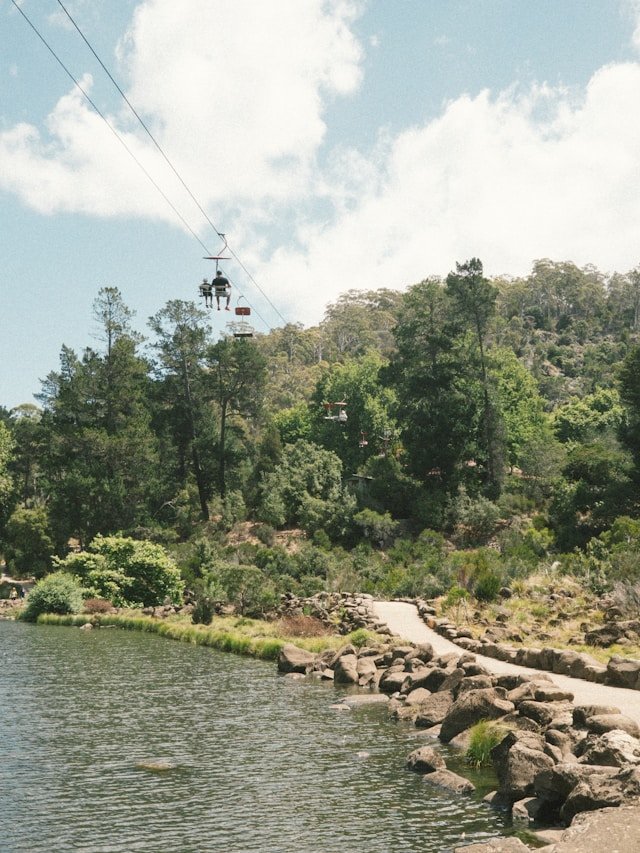
The gorge follows the South Esk River immediately west of central Launceston. Cliffs, bushland, walking tracks, lawns and the First Basin recreation area create a landscape that feels surprisingly removed from the nearby city.
Its accessibility is part of what makes Cataract Gorge unusual. Visitors do not need to commit an entire driving day simply to experience a distinctly Tasmanian natural landscape.
First Basin
First Basin is the gorge’s principal recreation area.
Lawns, walking paths and established visitor facilities make it particularly suitable for travellers who want to spend several hours rather than simply photograph the gorge and leave.
A public swimming pool operates seasonally, so visitors travelling specifically to swim should confirm current opening arrangements.
Walking at Cataract Gorge
Several tracks allow visitors to experience the gorge from different perspectives.
Shorter walks suit travellers with limited time, while longer routes can be incorporated into a half-day visit.
Track surfaces, gradients and accessibility vary, so choose a route appropriate to your mobility and current conditions.
How Much Time Do You Need at Cataract Gorge?
Allow at least two hours if Cataract Gorge is one of your priorities.
A half day provides much more freedom for walking, relaxing around First Basin and experiencing the gorge without watching the clock.
Visitors staying several nights in Launceston may prefer to visit more than once—for example, taking a longer walk one day and returning for a shorter evening visit on another.
Tamar Valley
The Tamar Valley is one of the defining travel areas of North Tasmania.
kanamaluka / River Tamar extends north from Launceston towards Bass Strait, with roads following both sides of the estuary through vineyard, orchard, farmland, wetland and historic landscapes.
Although the valley is widely associated with wine, treating it only as a wine route understates its variety.
Small towns, maritime history, wetlands, river viewpoints, food producers, orchards and wildlife experiences all contribute to the region.
The valley is particularly suitable for slow touring because attractions are distributed rather than concentrated in a single town.
East Tamar or West Tamar?
You do not need to choose only one side of the Tamar, but dividing the valley geographically makes itinerary planning easier.
The West Tamar is useful for Exeter, Beaconsfield, Beauty Point, Greens Beach and access towards the eastern side of Narawntapu National Park.
The East Tamar provides the principal road route towards George Town and Low Head.
Vineyards and food experiences occur on both sides, so travellers interested in wine should build their route around the particular cellar doors they want to visit rather than assuming all vineyards lie on one road.
How Long Do You Need in the Tamar Valley?
One day is enough for a selective introduction.
Two days is much better if you want to explore both sides of the river, include wine tastings and visit George Town or Low Head without rushing.
Travellers with three or more days can combine the valley with Narawntapu National Park, northern beaches or a slower food-and-wine itinerary.
Tamar Valley Wine Region
The Tamar Valley is Tasmania’s largest and one of its best-known wine-growing areas.
Its cool climate is particularly associated with varieties and styles such as pinot noir, chardonnay, riesling, sauvignon blanc and sparkling wine.
However, a successful wine day involves more planning than simply driving between as many cellar doors as possible.
Planning a Tamar Valley Wine Day
Choose a manageable number of wineries and check their current opening days, tasting arrangements and booking requirements before leaving.
Opening hours can differ substantially, particularly outside peak travel periods.
Allow time for lunch and scenery rather than treating the valley as a checklist.
Most importantly, organise a safe transport plan if tasting wine.
A designated driver or organised wine tour allows everyone to enjoy the day without creating a drink-driving risk.
Do You Need to Drink Wine to Enjoy the Tamar Valley?
No.
The river scenery, historic settlements, orchards, farms, wildlife areas and coastal destinations make the valley worthwhile even for visitors who do not drink alcohol.
This is particularly useful for families and mixed-interest groups where only some travellers want to visit cellar doors.
West Tamar
The western side of the Tamar provides one of the easiest full-day road trips from Launceston.
Leaving the city, the route passes through residential and rural areas before continuing towards Exeter, Beaconsfield, Beauty Point and the coast.
Rather than trying to stop everywhere, choose a theme for the day.
A heritage-focused trip can prioritise Beaconsfield. A family itinerary might combine Beauty Point with shorter stops. A nature-focused day can continue towards Greens Beach and Narawntapu National Park. A food-and-wine itinerary can build around selected vineyards and local producers.
Exeter
Exeter functions as an important service town on the West Tamar and a useful junction for travellers exploring the valley.
It is less of a headline destination than Launceston or Low Head, but its location makes it practical for food, fuel and route decisions before continuing farther north or west.
Beaconsfield
Beaconsfield is one of the most historically significant towns on the West Tamar.
Gold transformed the settlement during the nineteenth century, and mining continued to influence the town for generations.
For modern visitors, Beaconsfield provides an opportunity to understand the industrial and community history of northern Tasmania rather than seeing the Tamar Valley only through vineyards and river scenery.
Beaconsfield Mine & Heritage Centre
The Beaconsfield Mine & Heritage Centre interprets the area’s mining, industrial and social history.
It also provides context for the 2006 mine collapse and rescue that brought Beaconsfield international attention.
Visitors should allow enough time to engage with the broader museum rather than treating it only as an exhibit about that single event.
How Long to Spend in Beaconsfield
A couple of hours is appropriate for many visitors, particularly if the heritage centre is the main purpose of the stop.
Beaconsfield combines naturally with Beauty Point because the two are close enough to include within the same West Tamar day.
Beauty Point
Beauty Point sits beside the Tamar estuary north of Beaconsfield.
The small riverside community is particularly known for two visitor attractions: Seahorse World and Platypus House.
These experiences can make Beauty Point especially appealing to families, wildlife enthusiasts and travellers looking for an activity that does not depend on perfect outdoor weather.
Seahorse World
Seahorse World provides guided interpretation of seahorses and marine aquaculture.
Tour availability and opening times should be confirmed before travelling specifically for the attraction.
Platypus House
Platypus House focuses on platypuses and echidnas and offers another wildlife-oriented experience within the same general area.
Because both attractions involve scheduled or guided experiences, checking current times before leaving Launceston can prevent unnecessary waiting.
Narawntapu National Park
Narawntapu National Park occupies a section of Tasmania’s central north coast between the Tamar region and Devonport, making it a useful natural connection between North Tasmania and the north-west.
The park protects coastal heathlands, grasslands, wetlands, woodland and long beaches. It is particularly well known for opportunities to see native wildlife around its open grassland areas.
Tasmania Parks and Wildlife Service notes that visitors may see Forester kangaroos, Bennett’s wallabies and pademelons around Springlawn, particularly when animals are active.
Wildlife sightings remain unpredictable, so treat them as a possibility rather than a guaranteed attraction.
Getting to Narawntapu
The main visitor area around Springlawn and Bakers Beach is approached from the west and south-west, while West Head and Badger Beach can be accessed from the Tamar side.
From Launceston, the eastern side of the park can be reached through the West Tamar corridor.
A valid Tasmania parks pass is required for national park entry.
Walking in Narawntapu
Narawntapu provides walks ranging from short, accessible routes to longer coastal and inland tracks.
The Bird Hide Walk is currently listed by Tasmania Parks and Wildlife Service as approximately 2 kilometres return and around 30 minutes, while Archers Knob can be completed as a return walk or longer circuit incorporating Bakers Beach.
The full Coastal Traverse is a much more substantial undertaking and should be planned as a long day walk with transport arrangements at the opposite end.
Camping at Narawntapu
Camping is available within the national park, including options suitable for tents and campervans.
Facilities, fees, water arrangements, fire restrictions and campground conditions can change, so confirm current Parks information before arrival.
Visitors should also remember that beaches within the park are unpatrolled and coastal conditions can vary.
If you are building a longer camping or campervan itinerary through North Tasmania, you can browse Camps Australia Wide travel guides when researching legal overnight options. Always verify current conditions and local rules before staying.
East Tamar
The eastern side of the Tamar provides the principal route between Launceston, George Town and Low Head.
Compared with a direct highway journey, a slower East Tamar day allows time for vineyards, agricultural landscapes, river viewpoints and historic places.
The road ultimately reaches one of northern Tasmania’s most historically interesting coastal areas, where the Tamar opens into Bass Strait.
George Town
George Town sits near the mouth of kanamaluka / River Tamar and provides one of the strongest heritage stops in northern Tasmania.
Its maritime location shaped the town from the earliest period of European settlement, and the wider George Town–Low Head area remains closely connected with shipping, navigation and the history of the Tamar estuary.
Things to Do in George Town
- Explore the waterfront.
- Learn about local maritime and settlement history.
- Visit nearby Low Head.
- Continue to the lighthouse and pilot station precinct.
- Use George Town as part of an East Tamar driving loop.
- Explore nearby coastal areas and beaches.
George Town is often treated simply as the town before Low Head, but visitors interested in history can justify spending more time here rather than driving straight through.
Low Head
Low Head lies approximately five kilometres north of George Town at the eastern side of the Tamar estuary’s entrance to Bass Strait.
The combination of lighthouse, pilot station, maritime heritage and open coastal scenery makes it one of the most distinctive places in North Tasmania.
Low Head Pilot Station
The Low Head Pilot Station dates to 1805 and remains historically significant because pilot services have operated from the site for more than two centuries.
The precinct contains historic buildings and maritime interpretation connected with the pilots who helped vessels navigate the Tamar entrance.
Low Head Light Station
Continue farther north to the Low Head Light Station, positioned on the exposed coastline overlooking Bass Strait.
The light station has operated continuously since the nineteenth century and remains an important feature of the maritime landscape.
The setting can be windy and exposed, which is part of the experience but also a reminder to carry an extra layer even when conditions are comfortable in Launceston.
Little Penguins at Low Head
Low Head is also associated with little penguins, which return from the sea around the coastal area after dark.
If viewing penguins, use an established guided experience or follow current wildlife-viewing guidance. Avoid flash photography, bright lights, approaching animals or blocking their route between the sea and nesting areas.
Tour schedules vary with season and operating arrangements, so book or confirm directly before travelling specifically for an evening penguin experience.
George Town & Low Head Day Trip
George Town and Low Head work naturally as a combined day trip from Launceston.
Rather than driving directly there and back, consider including selected East Tamar vineyards, river viewpoints or food stops on the journey.
If a penguin tour is planned for the evening, avoid filling the daytime schedule so tightly that you arrive rushed or late.
North-East Tasmania
Travel east from Launceston and North Tasmania changes character again. The Tamar’s broad river landscapes gradually give way to agricultural country, forested hills, smaller communities and roads leading towards Scottsdale, Bridport and Tasmania’s north-east.
This part of northern Tasmania is particularly useful for travellers who want to move beyond the better-known Launceston and Tamar Valley circuit. It can be explored as a day trip, but it becomes more rewarding when incorporated into a slower journey towards the coast or the Bay of Fires.

The route also demonstrates why Tasmania’s regions should not be treated as isolated boxes on a map. North-east Tasmania forms a natural transition between North Tasmania and the East Coast. Travellers can leave Launceston in the morning, move through rural landscapes and eventually reach the coast around Bridport or continue towards north-eastern destinations.
What to Expect in North-East Tasmania
The north-east is less urban than the Launceston area and generally rewards independent travellers who are comfortable allowing extra time between stops. Distances may look modest on a map, but scenic roads, small towns and spontaneous stops can easily extend a driving day.
- Scottsdale provides one of the main service centres in the north-east.
- Bridestowe Lavender Estate is one of the area’s best-known seasonal attractions.
- Bridport combines beaches, coastal scenery and a relaxed seaside atmosphere.
- Rural roads pass farmland, forests and smaller settlements that reveal another side of Tasmania.
- Eastern connections make this area useful for travellers continuing towards Derby, St Helens and the Bay of Fires.
Do not try to fit every north-eastern attraction into a single day simply because the region appears compact. A more selective route generally produces a better experience.
Scottsdale
Scottsdale is an important service and agricultural town in Tasmania’s north-east. For travellers driving between Launceston and the north-east coast, it provides a practical place to stop for supplies, food and a break from the road.
The surrounding district is characterised by productive farmland and forest country. Rather than expecting a major resort-style destination, approach Scottsdale as part of the wider landscape and community of north-east Tasmania.
Its location makes it useful for several different itineraries. From Scottsdale, travellers can continue north towards Bridport, east towards Derby and the north-east, or return west towards Launceston.
Why Stop in Scottsdale?
Scottsdale works particularly well as a practical stop during a longer driving day. It can also provide an alternative base for travellers who want to explore north-east Tasmania without returning to Launceston each evening.
If your itinerary continues towards the East Coast, Scottsdale can mark the point where a North Tasmania journey begins transitioning towards the landscapes around Derby, St Helens and the Bay of Fires.
Bridestowe Lavender Estate
Bridestowe Lavender Estate is one of the most recognisable seasonal attractions in North Tasmania. Located at Nabowla in the north-east, the estate is particularly associated with broad rows of lavender that create a striking display when flowering conditions are favourable.
The important word is seasonal. Visitors should not assume the fields will appear purple throughout the year.
Flowering generally occurs during Tasmania’s summer period, with the most visually impressive stage typically associated with December and January. Exact timing varies with seasonal conditions, and harvesting eventually changes the appearance of the fields.
If seeing flowering lavender is one of the main reasons for your visit, check the estate’s current seasonal information before building an itinerary around it.
Visiting Outside Lavender Season
A visit outside peak flowering season can still be worthwhile depending on your interests, but expectations should be different. The experience should not be promoted as though the famous purple-field photographs represent conditions every month of the year.
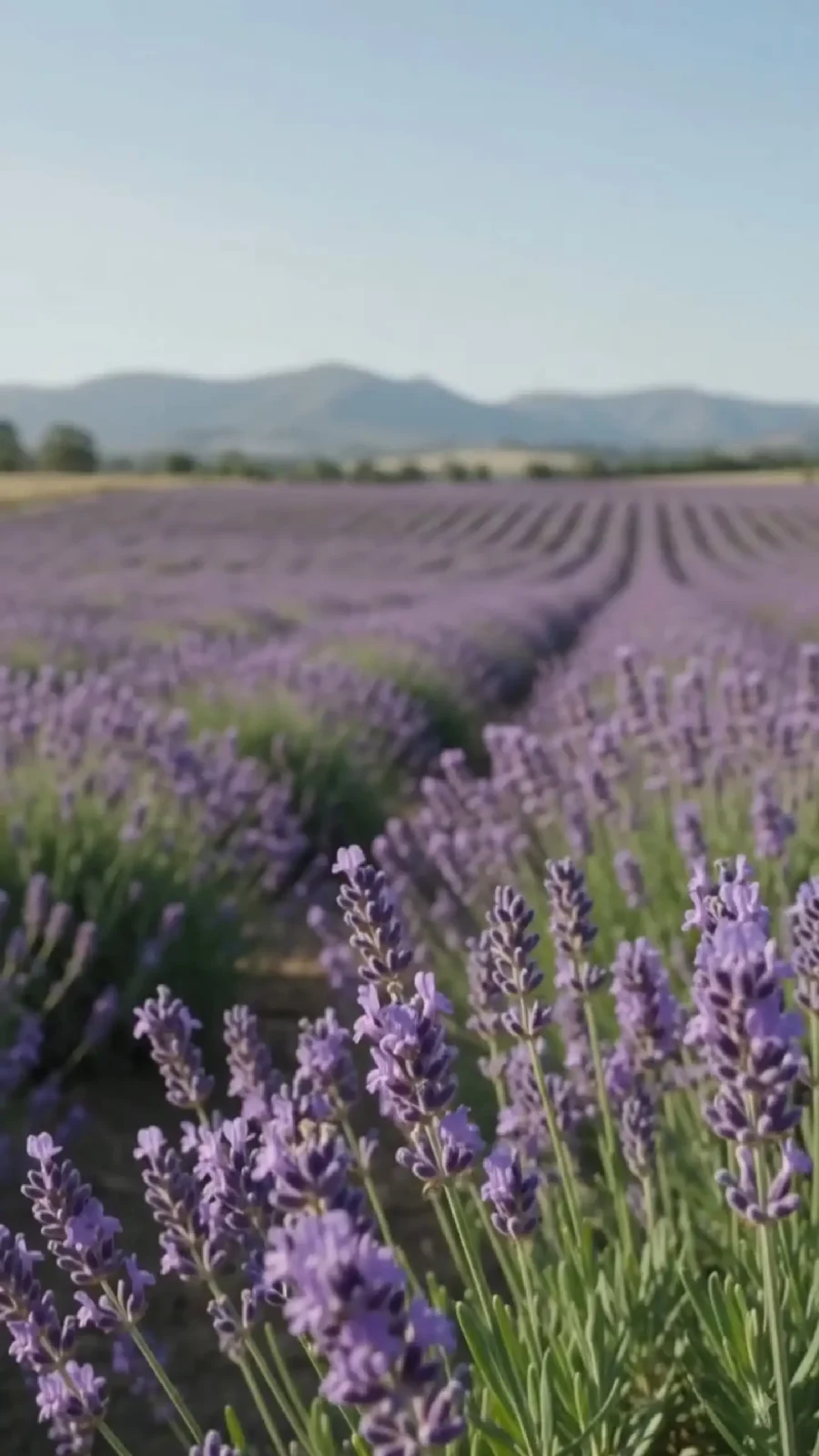
This distinction is particularly important for travellers planning Tasmania trips from photographs they have seen online. Seasonal landscapes change, and one of the best ways to avoid disappointment is to verify current conditions shortly before travelling.
Combining Bridestowe with Other Stops
Bridestowe can be combined with Scottsdale and Bridport for a varied north-east day trip from Launceston. During the flowering season, however, allow extra time because the estate itself may become one of the day’s principal stops.
Travellers continuing towards Tasmania’s East Coast can instead include Bridestowe as part of a one-way journey rather than returning to Launceston.
Bridport
Bridport sits on Tasmania’s north-east coast overlooking Bass Strait and provides a coastal contrast to the vineyards, farms and river scenery found elsewhere in North Tasmania.
The town is known for beaches, coastal walking, boating, fishing and a relaxed holiday atmosphere. It can work as a short stop during a north-east road trip or as an overnight base for travellers who want more time beside the coast.
Why Visit Bridport?
Bridport is most rewarding when you are not trying to fill every hour with organised attractions. The coastline itself is the main reason to slow down.
Walk beside the water, spend time around the beaches, enjoy views across Bass Strait and use the town as a quieter pause between inland sightseeing days.
The wider Bridport area is also internationally associated with golf through the Barnbougle courses. Golfers planning a trip specifically around these courses should check current booking arrangements well in advance.
Bridport or Launceston?
The two destinations serve different purposes.
Launceston provides a larger range of restaurants, accommodation and services and is the more flexible base for exploring multiple parts of North Tasmania.
Bridport offers a smaller coastal setting and can suit travellers who want an evening near the beach or who are concentrating their itinerary on the north-east.
You can compare accommodation options for northern Tasmania before deciding whether one base or several overnight stops better suit your route.
Northern Tasmania Beaches
Beaches are not usually the first image travellers associate with North Tasmania, which is precisely why the northern coastline can be a pleasant surprise.
These beaches have a different character from the sheltered turquoise bays of East Coast Tasmania. Bass Strait exposure, tidal estuaries, dunes, coastal heath and broad horizons help define the north.
Greens Beach
Greens Beach lies near the mouth of the Tamar on the western side of the estuary. It can be incorporated into a West Tamar road trip after Beaconsfield and Beauty Point.
The area also provides access towards West Head and the eastern side of Narawntapu National Park.
Beaches Around Low Head
Low Head combines beaches with lighthouse and maritime landscapes, making the surrounding coast more than a simple swimming destination.
Conditions can be exposed and change quickly near the entrance to Bass Strait. Choose swimming locations carefully and remember that many Tasmanian beaches are not patrolled.
Bridport Beaches
Bridport offers several coastal areas within easy reach of town and is one of the better choices for travellers who want to build beach time into a North Tasmania itinerary.
Summer generally provides the most appealing conditions for swimming and longer beach days, although Tasmania’s water temperatures remain cool compared with many mainland Australian destinations.
Food and Wine in North Tasmania
Food and wine are central to the identity of North Tasmania. They are not simply optional additions to a sightseeing itinerary; for many travellers they are among the strongest reasons to spend additional time in the region.
Launceston’s UNESCO Creative City of Gastronomy designation reflects a wider food system extending well beyond the city itself. Northern Tasmania’s farms, vineyards, orchards and producers supply ingredients that appear in restaurants, markets and cellar doors throughout the region.
Cool-Climate Wine
The Tamar Valley is particularly associated with cool-climate wine. Pinot noir and chardonnay are important varieties, including for sparkling wine production, while riesling and other cool-climate styles are also represented.
Individual wineries differ in their varieties, tasting formats, food offerings and opening schedules, so check directly before travelling.
Local Produce
Northern Tasmania’s productive agricultural landscapes contribute significantly to its food culture. Depending on the season and location, travellers may encounter berries, orchard fruit, vegetables, dairy products, honey and other locally produced foods.
Farm gates and small producers can be excellent additions to a road trip, but operating hours may be limited. A place that appears on a map should not automatically be assumed to be open every day.
Markets
Markets provide another way to encounter regional food and producers. Launceston’s Harvest Market is particularly well known, while smaller markets operate in communities throughout northern Tasmania.
Market schedules can change and many operate only on particular days, so confirm dates before reorganising an itinerary around one.
Build Meals into Your Itinerary
One common planning mistake is creating a full sightseeing schedule and then trying to squeeze meals into whatever time remains.
In North Tasmania, consider doing the opposite. Choose one or two meals or producers that genuinely interest you and build the surrounding day’s route around them.
This approach is particularly effective in the Tamar Valley, where driving between destinations is part of the experience.
Wildlife in North Tasmania
North Tasmania provides opportunities to encounter wildlife in national parks, wetlands, coastal environments and managed wildlife experiences.

No responsible travel guide should promise sightings of wild animals. Wildlife moves according to weather, food availability, season, disturbance and time of day. The best approach is to visit appropriate habitat, remain patient and treat every sighting as a privilege rather than an entitlement.
Narawntapu National Park
Narawntapu is one of the strongest places in northern Tasmania for visitors hoping to observe native animals in relatively open habitat. Forester kangaroos, Bennett’s wallabies and pademelons may be seen around the park, particularly when animals are active.
Maintain distance, do not feed wildlife and avoid positioning yourself between an animal and its route of escape.
Little Penguins
Little penguins occur along parts of Tasmania’s northern coastline, including around Low Head.
Evening guided experiences can provide a controlled way to observe penguins while reducing disturbance. Follow operator instructions, avoid flash photography and never block penguins moving between the water and their burrows.
Platypuses and Echidnas
Wild platypuses are difficult to predict, although suitable waterways occur across Tasmania. Echidnas may occasionally be encountered in bushland, rural areas and reserves.
Visitors wanting a more structured educational experience can consider attractions such as Platypus House at Beauty Point rather than relying on a wild sighting.
Wildlife on the Road
Wildlife is also an important driving consideration. Animals can be active around roads from dusk through dawn, particularly outside urban areas.
Reduce speed when visibility is poor, pay attention to warning signs and avoid planning unnecessarily long rural drives after dark.
Walking and Hiking in North Tasmania
You do not need to undertake a multi-day wilderness expedition to make walking a major part of a North Tasmania holiday.
The region offers urban walks, gorge tracks, coastal routes, wetland walks and national park trails, allowing visitors to choose experiences appropriate to their fitness, available time and weather.
Cataract Gorge Walks
Cataract Gorge provides the most accessible walking option for visitors staying in Launceston. Multiple routes allow you to adjust the length of your visit rather than committing to a single fixed walk.
Narawntapu Walks
Narawntapu National Park offers short walks as well as longer routes through coastal and inland landscapes. Check the current Tasmania Parks and Wildlife Service information before departure because track conditions and access can change.
Coastal Walking
Low Head, Greens Beach and Bridport all provide opportunities for shorter coastal walks where the experience is as much about sea air, views and changing light as reaching a particular endpoint.
Prepare Even for Short Walks
Tasmania’s weather can change quickly. Carry appropriate layers, drinking water and sun protection, and choose footwear suitable for the route.
For longer or more remote walks, check weather forecasts, track conditions, daylight and official advice before leaving. Do not rely solely on a social-media video or photograph to judge the difficulty of a walk.
North Tasmania with Families
North Tasmania can work particularly well for families because many attractions can be combined without extremely long driving days.
Launceston provides parks, museums, food options and accommodation, while Cataract Gorge introduces children to a natural landscape without requiring a remote wilderness journey.
Beauty Point’s wildlife-focused attractions, beaches around the north coast and shorter walks provide additional options for different ages and interests.
Good Family Options
- Cataract Gorge and First Basin
- City Park in Launceston
- Queen Victoria Museum and Art Gallery
- Seahorse World at Beauty Point
- Platypus House at Beauty Point
- Beaches around Bridport and the Tamar
- Short nature walks
- Farm and produce stops
- Wildlife watching at appropriate locations
- Low Head and its maritime landscapes
Avoid Overloading Family Road Trips
A road trip that looks easy for adults can feel very different with young children. Allow time for meals, playgrounds, toilets and unplanned stops.
Two meaningful destinations in one day can be more enjoyable than six hurried stops.
Best Scenic Drives in North Tasmania
Driving is not merely a way to move between attractions in North Tasmania. Several routes are worthwhile because of the changing landscapes along the way.
1. Launceston to Low Head
Travel north from Launceston along the eastern side of the Tamar towards George Town and Low Head.
Allow time for river landscapes, selected vineyards, George Town’s heritage and the exposed coastline around the Low Head Light Station.
2. West Tamar Drive
Explore the western side of the Tamar through Exeter, Beaconsfield and Beauty Point before continuing towards Greens Beach if time allows.
This route works particularly well for travellers interested in a combination of history, wildlife attractions, vineyards and river scenery.
3. Launceston to Bridport via North-East Tasmania
Travel through agricultural and forested landscapes towards Scottsdale before continuing to Bridport.
During the appropriate season, Bridestowe Lavender Estate can be incorporated into the journey.
4. Launceston to the Central Highlands
Travellers heading south-west can climb towards Tasmania’s high country and Great Lake.
This route creates a dramatic transition from northern farmland to the more exposed landscapes covered in our Central Highlands Tasmania Travel Guide.
5. North Tasmania to the East Coast
Travellers continuing east can move through the north-east towards St Helens and the Bay of Fires.
From there, a longer Tasmania itinerary can continue south through Bicheno and Freycinet National Park.
Planning a North Tasmania Road Trip
A successful North Tasmania road trip depends less on covering enormous distances and more on grouping destinations intelligently.
Instead of repeatedly crossing Launceston and the Tamar, organise days geographically.
- Launceston day: city centre, Cataract Gorge, parks, museums and dining.
- West Tamar day: Exeter, Beaconsfield, Beauty Point, vineyards and Greens Beach.
- East Tamar day: vineyards, George Town and Low Head.
- North-east day: Scottsdale, Bridestowe when seasonally appropriate and Bridport.
- Nature day: Narawntapu National Park or longer walks.
This structure reduces backtracking and gives each part of North Tasmania enough time to feel distinct.
Do Not Trust Driving Time Alone
Navigation apps estimate movement from one point to another. They do not account for photography stops, roadworks, wildlife, slower rural roads, meals, children, weather or the fact that Tasmania frequently gives travellers reasons to stop unexpectedly.
If a day requires every journey to run perfectly to schedule, the itinerary is probably too tight.
Fuel and Supplies
Fuel is readily available around Launceston and larger northern towns, but options become less frequent on some rural routes.
Refuel before long regional driving days rather than waiting until the tank is nearly empty. The same principle applies to drinking water, snacks and essential supplies.
If you need a rental vehicle, you can compare car hire options for your Tasmania road trip. Read the rental conditions carefully, particularly insurance, excess, additional-driver and road-access provisions.
Best Time to Visit North Tasmania
There is no single best month for every traveller. The best time to visit North Tasmania depends on whether your priorities are warm weather, lavender, wine, walking, autumn colour, lower visitor numbers or winter atmosphere.
Summer: December to February
Summer generally offers longer daylight hours and warmer conditions, making it particularly useful for road trips, beaches, outdoor dining and longer sightseeing days.
It is also the period associated with Bridestowe’s lavender flowering display, although exact timing varies and should always be checked.
Popular accommodation and attractions can be busier during the summer holiday period, so booking ahead is sensible if your dates are fixed.
Autumn: March to May
Autumn can be an excellent time for northern Tasmania, particularly for travellers interested in food, wine, comfortable walking conditions and seasonal colour.
Daylight becomes shorter as the season progresses, so long road-trip days should be planned accordingly.
Winter: June to August
Winter brings shorter days, colder mornings and the possibility of frost. Snow can affect higher routes outside the immediate lowland north, particularly when travelling towards Tasmania’s Central Highlands.
Winter can nevertheless suit travellers interested in restaurants, museums, heritage, moody landscapes and a quieter pace.
Check weather and road conditions before driving into elevated areas.
Spring: September to November
Spring brings increasing daylight, changing gardens and active agricultural landscapes, but weather can remain variable.
Layers are useful throughout the year, but particularly during transitional seasons when conditions can change considerably during a single day.
What Should You Pack?
- A waterproof outer layer.
- Warm layers even during warmer months.
- Comfortable walking shoes.
- Sun protection.
- A reusable water bottle.
- Medication and personal essentials.
- A small daypack for walks and road trips.
- Offline maps for areas with weaker mobile coverage.
Tasmania’s latitude and changeable weather make flexible clothing more useful than packing for one assumed condition.
Where to Stay in North Tasmania
Choosing where to stay can have a greater effect on your itinerary than choosing individual attractions.
For most first-time visitors, Launceston is the easiest base. Travellers with more time may benefit from adding one or two nights elsewhere rather than returning to the city after every regional day trip.
Stay in Launceston If…
- This is your first visit to North Tasmania.
- You want the widest choice of restaurants and accommodation.
- You prefer making day trips rather than moving luggage frequently.
- Cataract Gorge and city attractions are priorities.
- You are arriving or departing through Launceston Airport.
Stay in the Tamar Valley If…
- Wine and food are central to your trip.
- You want a quieter rural or riverside setting.
- You prefer being closer to cellar doors.
- You are spending several days exploring both sides of the Tamar.
Stay Around George Town or Low Head If…
- You enjoy maritime history.
- You want to stay near Bass Strait.
- An evening penguin experience is a priority.
- You prefer a smaller coastal community to a city base.
Stay Around Bridport If…
- You want beach access.
- You are concentrating on north-east Tasmania.
- Golf is a major reason for your visit.
- You are continuing east rather than returning to Launceston.
Once your route is clear, you can compare accommodation across northern Tasmania. Check cancellation conditions, parking and the actual location before booking; a property described broadly as being in the region may still be a significant drive from the places you intend to visit.
Camping and Campervan Travel in North Tasmania
Camping and campervan travel can be an excellent way to explore North Tasmania, particularly for travellers who value flexibility and want to spend more time near national parks, beaches and rural landscapes.
However, travelling by campervan does not mean you can legally stay anywhere that appears empty.
Overnight camping rules vary between national parks, council areas, private campgrounds and individual sites. Restrictions can also change.
Plan Overnight Stops Before Driving
Identify legal overnight options before the end of the day rather than searching after dark.
This is especially important during busy travel periods when popular campgrounds may fill.
You can browse Camps Australia Wide travel guides as one planning resource for a Tasmania camping or campervan trip. Always cross-check current local rules, campground status and official park information before relying on any listing.
National Park Camping
Where camping is available inside a national park, additional park-entry requirements may apply. Facilities vary considerably between locations.
Do not assume drinking water, powered sites, showers or phone reception will be available unless current information specifically confirms them.
How Many Days Do You Need in North Tasmania?
Three days is a practical minimum for travellers who want to experience more than Launceston itself. Four to five days provides a much better introduction to the region, while a week allows North Tasmania to become a substantial part of the holiday rather than simply a stop between other regions.
1 Day
Concentrate on Launceston and Cataract Gorge. Do not attempt to add the entire Tamar Valley.
2 Days
Spend one day around Launceston and one day exploring either the Tamar Valley or north-east Tasmania.
3 Days
A strong three-day introduction can include Launceston, one side of the Tamar and a second regional day towards Low Head, Narawntapu or the north-east.
4–5 Days
This is an excellent amount of time for most visitors. It allows Launceston, both sides of the Tamar and either Narawntapu or the north-east without turning every day into a race.
6–7 Days
A week gives you time to slow down, spend nights outside Launceston, include food and wine experiences and explore the coast without sacrificing rest days or flexibility.
Suggested North Tasmania Itineraries
The following itineraries are frameworks rather than rigid schedules. Adjust them according to weather, seasonal opening times, your accommodation and the pace at which you prefer to travel.
2-Day North Tasmania Itinerary
Day 1 — Launceston: Begin with central Launceston before spending several hours at Cataract Gorge. Include City Park, the waterfront or QVMAG according to your interests, then leave enough time to enjoy dinner rather than filling the evening with more driving.
Day 2 — Tamar Valley: Choose either the West Tamar or East Tamar. On the west, combine selected vineyards with Beaconsfield and Beauty Point. On the east, combine vineyards with George Town and Low Head.
3-Day North Tasmania Itinerary
Day 1: Launceston and Cataract Gorge.
Day 2: West Tamar — Exeter, selected wineries, Beaconsfield, Beauty Point and, if time permits, Greens Beach.
Day 3: East Tamar — selected stops followed by George Town and Low Head. Consider an evening penguin experience if it suits your schedule.
5-Day North Tasmania Itinerary
Day 1 — Launceston: Explore the city, heritage streets, parks and food scene.
Day 2 — Cataract Gorge and Launceston: Give the gorge enough time for walking rather than squeezing it into the previous afternoon.
Day 3 — West Tamar: Visit selected vineyards, Beaconsfield and Beauty Point.
Day 4 — East Tamar: Travel towards George Town and Low Head, with maritime heritage and coastal scenery as the main focus.
Day 5 — North-East Tasmania: Travel towards Scottsdale, include Bridestowe when seasonally appropriate and continue to Bridport.
7-Day North Tasmania Itinerary
Day 1: Arrive in Launceston and explore the city centre at a relaxed pace.
Day 2: Cataract Gorge, QVMAG and Launceston dining.
Day 3: West Tamar wineries, Beaconsfield and Beauty Point.
Day 4: Narawntapu National Park and the northern coast.
Day 5: East Tamar, George Town and Low Head.
Day 6: Scottsdale, Bridestowe if seasonally suitable and Bridport.
Day 7: Use the final day flexibly. Return to a favourite area, spend more time exploring food and wine, or begin travelling towards the East Coast, Central Highlands or North West Tasmania.
If North Tasmania forms part of a longer holiday, our complete Tasmania trip planning guide explains how to combine regions without creating an itinerary dominated by driving.
Connecting North Tasmania with Other Tasmania Regions
One of the greatest advantages of North Tasmania is its position within the wider island road network.
North Tasmania + East Coast Tasmania
This is one of the most natural combinations for a Tasmania road trip.
From the north, travel through north-east Tasmania towards St Helens and the Bay of Fires before continuing south along the coast.
Our East Coast Tasmania Travel Guide covers the wider region, while the Bay of Fires guide and Freycinet National Park guide provide deeper destination planning.
North Tasmania + Central Highlands Tasmania
Travellers interested in alpine landscapes can connect northern Tasmania with Great Lake and the Central Plateau.
The change in landscape can be dramatic, particularly as farmland gives way to higher, more exposed country.
Use our Central Highlands Tasmania Travel Guide before taking this route, particularly outside summer when highland weather can become a significant planning factor.
North Tasmania + North West Tasmania
Travel west and northern Tasmania gradually transitions towards Devonport and the north-west coast.
This combination works particularly well for travellers arriving or departing on the Spirit of Tasmania or those continuing towards Stanley, the Tarkine and Tasmania’s far north-west.
Continue planning with our North West Tasmania Travel Guide.
North Tasmania + West Coast Tasmania
Travellers with more time can continue from northern Tasmania towards Cradle Mountain and the West Coast.
Do not underestimate this transition. Mountain roads and sightseeing stops mean a route that appears manageable on a map can consume much of a day.
Our West Coast Tasmania Travel Guide explains the region in more detail.
North Tasmania + Hobart and Southern Tasmania
The Midland Highway provides the main connection between Launceston and Hobart.
Rather than treating the drive purely as a transfer, travellers with enough time can incorporate historic Midlands towns before continuing into South Tasmania and Hobart.
For an overview of how all these regions fit together, return to our Travel Tasmania: Complete Guide to Every Region.
Practical North Tasmania Travel Tips
Allow More Time Than the Map Suggests
Distances in Tasmania are often manageable, but road trips rarely consist of uninterrupted driving. Rural roads, scenery, towns, food stops and weather all add time.
Check Opening Days
Regional attractions, cellar doors, cafés and smaller businesses may not operate every day, particularly outside peak periods.
Check the places that matter most to you before finalising each day’s route.
Book Important Experiences
If your trip depends on a particular wine experience, wildlife tour, restaurant or seasonal attraction, advance booking can reduce disappointment.
Prepare for Changing Weather
Do not use Launceston’s morning weather as a guarantee of conditions everywhere you will visit that day.
Coastal areas can be windier, and highland routes can be considerably colder.
Download Maps Before Remote Drives
Mobile coverage is generally strong around populated areas but can weaken on more remote roads and in some natural areas.
Offline navigation can provide useful backup.
International Connectivity
International visitors who want mobile data after arriving in Australia can explore Airalo eSIM options before travelling. Check device compatibility, network coverage, data allowances and current pricing before purchasing.
Drive Carefully Around Wildlife
Wildlife can be active around rural roads, particularly from dusk to dawn. Reduce speed and avoid unnecessary night driving when possible.
Respect Private Property
Much of northern Tasmania is working farmland. A picturesque field, vineyard or rural road does not automatically provide public access.
Use designated parking areas, remain on public roads and tracks, and obtain permission before entering private property.
Leave Space in Your Schedule
Some of the best North Tasmania experiences are not scheduled attractions. A river viewpoint, local bakery, beach walk or unexpected roadside stop can become a memorable part of the trip.
An itinerary with no spare time leaves little room for those experiences.
Frequently Asked Questions About North Tasmania
Is North Tasmania worth visiting?
Yes. North Tasmania combines Launceston, Cataract Gorge, the Tamar Valley, cool-climate wine, historic towns, maritime landscapes, northern beaches, wildlife and easy connections to several other Tasmania regions. It is particularly suitable for travellers who want a mixture of food, nature and heritage rather than one dominant type of attraction.
What is North Tasmania best known for?
North Tasmania is especially known for Launceston, Cataract Gorge, the Tamar Valley wine region, historic settlements, food and produce, George Town and Low Head, and the agricultural landscapes surrounding the region.
What are the best places to visit in North Tasmania?
For a first visit, prioritise Launceston, Cataract Gorge and the Tamar Valley. With additional time, add Beaconsfield, Beauty Point, George Town, Low Head, Narawntapu National Park, Scottsdale, Bridestowe during the appropriate season and Bridport.
How many days should I spend in North Tasmania?
Three days is a useful minimum, but four to five days provides a better introduction. A week allows travellers to explore both sides of the Tamar, north-east Tasmania and natural areas without rushing.
Is Launceston a good base for North Tasmania?
Yes. Launceston is the most flexible base for first-time visitors because it offers substantial accommodation, restaurants and services while remaining within day-trip distance of many northern attractions.
Can I visit the Tamar Valley as a day trip from Launceston?
Yes. A Tamar Valley day trip from Launceston is straightforward, but concentrate on one side of the river or a limited number of destinations rather than attempting to visit every major attraction in a single day.
Do I need a car in North Tasmania?
A car is not essential for a short stay focused entirely on central Launceston, but it is highly useful for the Tamar Valley, Low Head, Narawntapu, Bridport and smaller regional destinations. Tours can replace driving for selected experiences such as wine tasting.
What is the best month to visit North Tasmania?
There is no universal best month. Summer offers longer days and generally warmer conditions; autumn can suit food, wine and walking; winter offers a quieter, colder experience; and spring brings increasing daylight and changing rural landscapes. Travellers specifically hoping to see flowering lavender should check current summer flowering information before booking around it.
When does lavender flower in North Tasmania?
Bridestowe Lavender Estate generally associates its major flowering period with December and January, but exact timing varies according to seasonal conditions and harvesting. Check current information directly before travelling specifically for the purple fields.
Is the Tamar Valley only for wine lovers?
No. The Tamar Valley also offers river landscapes, historic towns, orchards, food producers, wetlands, wildlife experiences and access to northern coastal destinations.
Can children enjoy North Tasmania?
Yes. Cataract Gorge, City Park, museums, Beauty Point’s wildlife attractions, beaches and shorter nature walks provide family-friendly options. Families may find the region particularly manageable because many attractions can be reached without exceptionally long drives from Launceston.
Can I see penguins in North Tasmania?
Little penguins occur along parts of the northern coast, including around Low Head, where guided viewing experiences operate. Availability and timing vary, so check current tour arrangements before travelling.
Can I see Tasmanian wildlife in North Tasmania?
Yes, although wild sightings are never guaranteed. Narawntapu National Park is known for native wildlife including Forester kangaroos, Bennett’s wallabies and pademelons. Wildlife-focused visitor attractions are also available around Beauty Point.
Is Narawntapu National Park worth visiting?
Narawntapu can be particularly rewarding for travellers interested in coastal landscapes, walking and wildlife. It also provides a useful natural stop between North Tasmania and the north-west coast. A valid Tasmania parks pass is required for national park entry.
Can I visit North Tasmania without drinking wine?
Absolutely. Wine is only one part of the region. Launceston, Cataract Gorge, national parks, beaches, maritime history, museums, food, wildlife and scenic drives can easily fill several days without visiting a cellar door.
Can I combine North Tasmania with the Bay of Fires?
Yes. North Tasmania connects naturally with north-east Tasmania and the Bay of Fires. Travellers can move east from Launceston through the north-east before reaching the St Helens area. Continue planning with our Bay of Fires Travel Guide.
Can I combine North Tasmania with Freycinet National Park?
Yes. A longer route can connect Launceston with the north-east and then travel south along Tasmania’s East Coast towards Bicheno and Freycinet National Park. Allow enough time that the journey becomes part of the holiday rather than a long transfer between accommodation.
Can I travel from North Tasmania to Cradle Mountain?
Yes. Launceston is commonly used as a gateway for travel towards Cradle Mountain. However, Cradle Mountain deserves sufficient time of its own rather than being treated as a quick extension to a busy Launceston day.
If continuing farther west, use our West Coast Tasmania Travel Guide to plan the next stage.
Is North Tasmania good for a road trip?
Yes. North Tasmania is particularly well suited to road trips because Launceston, the Tamar Valley, Bass Strait coast and north-east can be grouped into manageable driving loops. A vehicle also makes it easier to reach smaller towns, vineyards, beaches and natural areas.
Where should I go after North Tasmania?
That depends on your wider route. Head east for the Bay of Fires and Tasmania’s East Coast, west for Devonport and North West Tasmania, south-west for the Central Highlands, or south through the Midlands towards Hobart.
Plan the Rest of Your Tasmania Journey
North Tasmania can be a short introduction to the island or one of the major chapters of a much longer journey. Its strength lies in the way different experiences sit close enough to combine while still retaining their own character.
Launceston provides history, food and urban convenience. Cataract Gorge introduces natural scenery almost beside the city. The Tamar Valley slows the pace through vineyards, farms and river landscapes. Beaconsfield adds mining heritage, Beauty Point introduces wildlife-focused experiences, and George Town and Low Head tell a maritime story beside Bass Strait.
Travel farther east and the landscape changes again through Scottsdale, lavender country and Bridport before eventually connecting with Tasmania’s East Coast.
That variety is why North Tasmania deserves more than a quick overnight stop between Hobart and another destination.
For the wider island picture, continue to our Travel Tasmania: Complete Guide to Every Region. From there you can explore our dedicated guides to East Coast Tasmania, North West Tasmania, Central Highlands Tasmania, West Coast Tasmania and South Tasmania.
If you are still deciding how those regions should fit into one holiday, read How Do I Plan a Trip to Tasmania? The Complete Tasmania Trip Planning Guide before locking in accommodation and transport.
Planning accommodation? You can compare accommodation options, compare flight options, or research car hire for your Tasmania trip.
Affiliate disclosure: Some planning links on this page are affiliate links. Island Files Tasmania may earn a commission from eligible bookings or purchases made through these links, at no additional cost to you. Using an affiliate link does not change the price you pay, and inclusion does not replace checking whether a service is suitable for your own trip.
Important: Travel information can change. Before travelling, confirm current road conditions, weather warnings, national park requirements, track conditions, attraction opening hours, tour schedules, prices and booking requirements with the relevant official authority or operator.
Affiliate disclosure: Some links on this page are affiliate links. If you make an eligible booking or purchase through one of these links, Island Files Tasmania may receive a commission at no additional cost to you. Affiliate links are included where they may be useful for planning your trip.